Best Volleyball Knee Pads in 2026 for Players
Volleyball is one of the most physically demanding sports, requiring constant movement, rapid defensive reactions, diving motions, sliding motions, sudden jumps, and fast directional changes. In 2026, the pace and intensity of competitive volleyball have continued to increase at the professional, collegiate, school, and recreational levels. This means players cannot afford to compromise on protective equipment, especially knee pads.
Knee pads are not just accessories. They protect one of the most essential joints in the body, especially for volleyball players who spend significant time diving for balls, digging, sliding on hard indoor courts, taking low defensive positions, and making impact with the ground repeatedly.
Inadequate knee protection can lead to injuries such as:
-
Bruises and abrasions
-
Chronic knee pain due to repeated floor impact
-
Swelling and inflammation
-
Patellar tendon irritation
-
Long-term joint damage
-
Reduced mobility and confidence in defensive play
In 2026, the best volleyball knee pads on the market are specifically engineered to address modern performance demands. They now incorporate advanced padding materials, lightweight fabrics, intelligent shaping, anti-slip technology, breathable textiles, and superior joint coverage.
As the sport continues to evolve globally, and as participation expands across Nigeria, Africa, and beyond, players require knee pads that balance protection, comfort, durability, freedom of movement, and long-term performance.
This detailed two-part guide explores the best volleyball knee pads for players in 2026, what features to look out for, the different types of pads available, position-based selections, durability factors, maintenance, and a professional buying guide suitable for athletes, coaches, schools, club teams, and recreational players.
Key Features That Define the Best Volleyball Knee Pads in 2026
Modern volleyball knee pads must deliver across multiple performance categories. In 2026, the following features define top-quality knee pads for players of all skill levels.
Advanced Protective Padding
The best knee pads of 2026 use high-density foam, gel padding, EVA padding, memory-foam hybrids, or multi-layered cushioning systems. These materials absorb shock effectively, minimizing the impact on the knee during dives and slides.
Key characteristics include:
-
High impact absorption
-
Ability to maintain shape over time
-
Balanced cushioning that does not feel too bulky
-
Even distribution of force during impact
Gel-based padding is increasingly preferred for competitive play due to its superior shock absorption and long-term durability.
Ergonomic Shape and Contoured Fit
The top knee pads in 2026 are designed to wrap naturally around the knee joint. Ergonomic shaping allows:
-
Better flexibility
-
More natural movement
-
Full coverage of vulnerable areas
-
Reduced pressure on the patella
-
Greater stability during lateral movement
Contoured knee pads also reduce the likelihood of the pad slipping out of place during matches.
Breathability and Moisture Management
Players sweat heavily during training and matches. Poor ventilation leads to discomfort, overheating, moisture buildup, and skin irritation.
High-quality knee pads use breathable knit fabrics, perforated zones, and moisture-wicking materials that help keep the knee cool and dry.
Anti-Slip Technology
One of the biggest issues for players is knee pads sliding down during a match. Anti-slip features in 2026 knee pads include:
-
Silicone grip linings
-
Tight but flexible elastic bands
-
Stretch-fit compression fabrics
-
Dual-layer support systems
These keep the pads firmly in place without causing restricted circulation.
Durability and Abrasion-Resistance
Because volleyball involves constant contact with hard floors, durability is essential. The best pads include:
-
Reinforced outer shells
-
High-resilience stitching
-
Tear-resistant fabric
-
Long-lasting foam that does not flatten easily
Durable pads remain effective for months or years, making them more cost-efficient for athletes.
Lightweight Build for Agility
Modern players value speed and agility. Heavy pads can restrict movement, especially for hitters and setters who rely on quick reactions.
The best knee pads of 2026 maintain strong protection while staying lightweight and flexible.
Why Volleyball Players in 2026 Need High-Performance Knee Pads
The increasing competitiveness of volleyball globally—and its rising popularity among Nigerian and African youths—makes it more important than ever for athletes to prioritize protective gear. The sport places continuous stress on the lower body, and without proper knee padding, both short-term and long-term injuries can occur.
Here are the top reasons why modern players need top-quality knee pads:
Enhanced Safety During Defensive Play
Diving for low balls is one of the most common movements in volleyball. Without adequate cushioning, every dive can send pressure directly into the knee joint.
High-performance pads reduce impact and protect from:
-
Floor burns
-
Bone bruises
-
Tendon strain
Improved Confidence and Aggressiveness
Players with proper protection dive fearlessly, make stronger defensive plays, and maintain better performance.
Confidence in equipment leads to:
-
Better reaction times
-
More aggressive hustling
-
Faster recovery after impacts
Prevention of Long-Term Knee Injury
Continuous trauma to the knee can lead to chronic problems such as:
-
Tendonitis
-
Patellofemoral pain
-
Joint inflammation
-
Reduced mobility
Strong knee pads reduce these risks.
Better Comfort Throughout Matches
Long matches and training sessions demand knee pads that stay comfortable for extended use. The best pads in 2026 prioritize:
-
Soft interior lining
-
Breathable fabrics
-
Proper fit and compression
Suitable for All Ages and Skill Levels
Both young athletes and adult players benefit from knee pads. Whether someone is a student, amateur, professional, or recreational player, protection is essential.
Types of Volleyball Knee Pads Available in 2026
Understanding the different types of knee pads helps players make informed purchase decisions.
High-Density Foam Knee Pads
These use thick, firm foam layers that provide strong impact protection. They are ideal for players who dive frequently, such as liberos or defensive specialists.
Gel-Based Knee Pads
Gel padding absorbs shocks more efficiently than foam. These pads are excellent for mid- and high-level players who want top protection without sacrificing mobility.
Hybrid Padding Knee Pads
These combine foam and gel, offering:
-
Balanced cushioning
-
Durability
-
Lightweight feel
They are suited for all player positions.
Low-Profile Knee Pads
Low-profile designs offer minimal bulk. They allow maximum mobility and are often used by:
-
Hitters
-
Setters
-
Players who do not dive as frequently
Extended Length Knee Pads
These offer more coverage along the knee and parts of the lower thigh. They protect players who slide more often or play on abrasive surfaces.
Compression-Support Knee Pads
These combine knee padding with compression sleeve benefits. They provide mild joint support, improved blood flow, and increased stability.
Best Volleyball Knee Pads in 2026: Top Performing Brands and Models
This section highlights the top knee pads available in 2026, based on protection, durability, comfort, flexibility, and long-term performance. These recommendations apply to Nigerian, African, and global players.
Mizuno LR6 Knee Pads (2026 Edition)
Mizuno remains one of the most trusted names in volleyball protective gear. The LR6 remains popular in 2026 due to its well-balanced performance features.
Key advantages:
-
High-density VS-1 padding for superior shock absorption
-
Low-profile design for unrestricted movement
-
D.F. Cut for improved mobility around the knee
-
Strong durability and long-lasting foam structure
-
Lightweight construction for competitive play
These are recommended for all skill levels and are particularly suited to players who dive often.
ASICS Ace Low Profile Knee Pads
ASICS is widely respected in volleyball equipment manufacturing. The Ace Low Profile model is designed for mobility and comfort.
Top features include:
-
Low-profile padding for flexibility
-
Moisture-wicking fabric
-
Excellent for hitters and setters
-
Snug fit that stays in place
-
Good breathability and ventilation
This model is ideal for players who prefer minimal bulk.
Nike Streak Volleyball Knee Pads
Nike continues to refine its volleyball protective gear designs. The Streak knee pads in 2026 deliver a combination of comfort and stability.
Notable strengths:
-
Low-weight construction
-
Breathable and stretchable knit material
-
Comfortable contoured fit
-
Moderate-level padding suitable for all-around play
-
Secure anti-slip grip
Athletes who value mobility and style prefer these pads.
Under Armour Volleyball Knee Pads
Known for durability and athletic performance, Under Armour knee pads are widely used in training and competition across 2026.
Key characteristics:
-
Strong reinforced padding
-
Tight compression sleeve for stability
-
High durability for frequent diving
-
Good breathability and sweat distribution
-
Suitable for rough and intensive use
These are commonly preferred by liberos and defensive specialists.
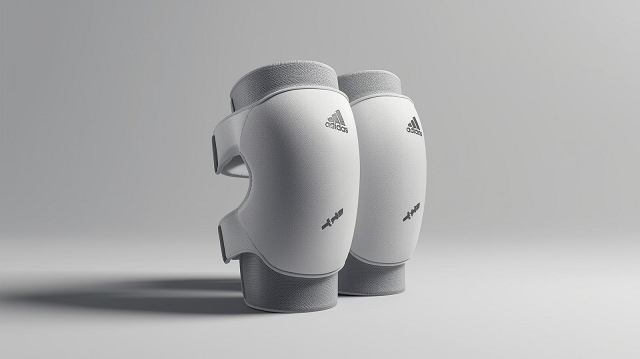
Adidas Elite Knee Pads
Adidas offers high-performance gear for modern players. Their 2026 Elite knee pads are built for competitive athletes.
Benefits include:
-
Superior padding depth
-
Ergonomic contoured shape
-
Advanced moisture control
-
Strong outer shell for abrasion resistance
-
Reliable anti-slip interior band
This model is excellent for players who want a combination of maximum protection and strong durability.
Position-Based Guide: Choosing the Best Knee Pads for Your Playing Role
Different volleyball positions require different knee pad designs.
Best Knee Pads for Liberos and Defensive Specialists
Liberos spend the most time diving, sliding, and hitting the floor during defensive plays. They require:
-
Thick padding
-
High-density foam or gel
-
Strong anti-slip stability
-
Breathable but durable construction
Top recommendations:
-
Mizuno LR6
-
Under Armour Knee Pads
-
Adidas Elite Knee Pads
Best Knee Pads for Hitters and Outside Attackers
Hitters require freedom of movement more than heavy protection. Their best options include:
-
Low-profile pads
-
Lightweight materials
-
Flexible contoured designs
Recommended models:
-
ASICS Ace Low Profile
-
Nike Streak Knee Pads
-
Mizuno LR6 (for hitters who dive more often)
Best Knee Pads for Setters
Setters do not dive as frequently as liberos but still require protection for occasional defensive movements.
Setters should choose:
-
Light to moderate padding
-
Soft interior comfort
-
Low-profile mobility
Good options include:
-
Nike Streak
-
ASICS Low Profile
-
Mizuno LR6
Best Knee Pads for Middle Blockers
Middle blockers dive less often but need joint stability and compression support.
They require:
-
Secure fit
-
Medium padding
-
Compression-style knee sleeves with padding
Good choices include:
-
Compression-hybrid knee pads
-
Mizuno LR6
-
Adidas Elite
How Proper Fit Affects Knee Pad Performance
Even the best knee pad can fail if it does not fit properly. Proper fit ensures:
-
Maximum protection
-
Stability during movement
-
Comfort during long games
-
Reduced risk of slippage
-
Better confidence and mobility
Signs of Proper Fit
-
The pad stays in place while running
-
No cutting off circulation
-
Does not slide down during dives
-
Offers full coverage of the knee cap
-
Feels snug but comfortable
Signs of Poor Fit
-
Constant slipping
-
Pain around the thigh or calf
-
Excessive tightness
-
Gap between knee and padding
-
Discomfort after short use
Choosing the correct size from the manufacturer’s guide is essential for safety and performance.
Maintenance and Care Tips for Volleyball Knee Pads in 2026
Proper maintenance determines how long volleyball knee pads last and how effectively they continue to protect players. High-quality knee pads are an investment, and players who take good care of them enjoy better value, hygiene, and performance.
Hand Washing vs Machine Washing
The majority of volleyball knee pads in 2026 can be washed either by hand or using a washing machine, but the method depends on the manufacturer’s recommendations.
Hand Washing Benefits
-
Gentle on fabric and padding
-
Better for longevity
-
Helps maintain elasticity and shape
Players who want their pads to last longer prefer hand washing with mild detergent.
Machine Washing Tips
If machine washing is preferred:
-
Use gentle cycle
-
Avoid hot water
-
Place pads in a mesh laundry bag
-
Avoid washing with heavy garments like jeans
This prevents unnecessary wear and tear.
Avoiding Fabric Softeners
Fabric softeners may reduce elasticity and damage the moisture-wicking fabrics commonly used in knee pads. They can also weaken stitching over time, making the pads less durable.
Air Drying Only
Knee pads should always be air dried. Heat from dryers can:
-
Warp foam padding
-
Shrink fabrics
-
Reduce elasticity
-
Damage ventilation mesh zones
Dry pads in a cool, shaded area to maintain fabric strength.
Regular Inspection for Damage
Players should inspect their knee pads regularly for signs such as:
-
Flattened padding
-
Torn outer fabric
-
Loose stitches
-
Reduced elasticity
-
Slipping during movement
Any of these signs indicate that replacement may be necessary, especially for competitive players.
Expected Durability of Volleyball Knee Pads in 2026
Durability varies based on usage, brand quality, intensity of play, and maintenance practices.
For Competitive Players
Athletes training daily or playing weekly matches may need to replace knee pads every:
-
6 to 8 months for heavy-duty use
-
8 to 12 months for moderate use
For Recreational Players
Recreational or school players may find their pads last:
-
12 to 18 months
-
Sometimes 24 months with gentle usage
Factors That Affect Durability
-
Padding Material
Gel padding generally lasts longer than foam, especially under heavy impact. -
Frequency of Diving and Sliding
Liberos and defensive specialists wear out pads faster. -
Surface Type
Hard indoor courts consume padding faster than softer training floors. -
Maintenance Habits
Proper washing and drying extend pad lifespan significantly. -
Brand Quality
Well-known brands use higher-grade fabrics and stitching.
Durability is an important factor for players shopping in 2026 because volleyball continues to be played year-round in many parts of Nigeria and Africa through school sports, club competitions, and local tournaments.
Buying Guide: How to Choose the Best Volleyball Knee Pads in 2026
This section provides a professional, step-by-step guide for selecting the best knee pads based on player needs, budget, performance level, and playing environment.
Step 1: Determine Your Playing Position
Your position influences the level of protection you need.
-
Liberos: Thick protection, high-density or gel padding
-
Hitters: Low-profile, lightweight designs
-
Setters: Moderate padding with high mobility
-
Middle blockers: Compression-support knee sleeves with padding
Step 2: Choose the Right Padding Type
Foam Padding
-
Lightweight
-
Affordable
-
Good for beginners
-
Less durable for competitive play
Gel Padding
-
Superior shock absorption
-
Long-lasting
-
Ideal for frequent diving
Hybrid Padding
-
Balanced protection
-
Flexible and durable
-
Suitable for intermediate and advanced players
Step 3: Consider Breathability
Players in Africa, especially Nigeria’s hot climate, benefit from breathable knee pads. Look for:
-
Airflow mesh panels
-
Moisture-wicking fabric
-
Ventilated knit materials
Step 4: Ensure Proper Fit and Sizing
Always check manufacturer sizing charts. Incorrect fit can lead to:
-
Knee pad slipping
-
Circulation issues
-
Poor impact protection
A snug but comfortable fit is ideal.
Step 5: Evaluate Durability Features
Key durability indicators:
-
Reinforced outer layer
-
Double stitching
-
High-resilience padding
-
Tough polyester blends
Competitive athletes should prioritize durability to avoid frequent replacements.
Step 6: Choose Based on Indoor vs Outdoor Play
While volleyball is traditionally indoor, some players train outdoors.
-
Indoor players: Need abrasion-resistant pads
-
Outdoor players: Benefit from thicker padding and reinforced outer shells
Step 7: Budget Considerations in 2026
In 2026, knee pad prices vary depending on brand and technology:
-
Entry-level: Affordable, simple foam padding
-
Mid-range: Balanced comfort and durability
-
High-end: Professional-grade protection for competitive play
Players should balance protection with budget but avoid extremely cheap pads that provide insufficient impact protection.
Why Nigeria and Africa Need High-Quality Volleyball Knee Pads
Volleyball continues to grow rapidly across Nigeria and Africa due to:
-
National and regional competitions
-
University leagues
-
Club tournaments
-
Recreational play in communities
Because of this growth, athletes require equipment that can withstand intensive usage. Hard indoor school floors, concrete outdoor spaces, and improvised courts increase knee injury risks.
Benefits for African Players
-
Better protection during diving on harder surfaces
-
Improved performance in competitive school and club tournaments
-
Longer-lasting gear that reduces replacement costs
-
Better comfort during hot-weather play
-
Enhanced safety for younger athletes
As volleyball infrastructure improves, more players demand protective gear similar to international standards.
Frequently Asked Questions (FAQ)
Are thick knee pads always better?
Not necessarily. Thick pads work well for liberos and defensive players, but hitters or setters may prefer low-profile designs for better movement.
How often should volleyball knee pads be replaced?
Replace them when padding wears down, when slipping becomes frequent, or when fabric tears. Competitive players often replace them every 6 to 12 months.
Should beginners buy expensive knee pads?
Beginners can start with mid-range options. Extremely cheap pads often offer poor protection, while high-end pads may be unnecessary for new players.
Can knee pads be worn outdoors?
Yes, but outdoor players benefit from reinforced pads due to rougher surfaces.
Do knee pads prevent long-term injuries?
Good pads reduce repeated impact stress and protect against bruising and tendon irritation, decreasing the risk of chronic knee problems.
Final Expert Recommendations for 2026
Based on performance, comfort, durability, and player needs, the following are top recommendations for 2026:
Best Overall Knee Pads for All Players
-
Mizuno LR6 (2026 Edition)
-
Adidas Elite Knee Pads
-
Under Armour Volleyball Knee Pads
Best for Liberos and Defensive Players
-
Mizuno LR6
-
Under Armour Heavy-Duty Models
Best for Hitters and Setters
-
ASICS Ace Low Profile
-
Nike Streak Knee Pads
Best Budget Option for Students
-
Mid-range foam or hybrid padding models
-
Affordable but durable choices from reputable brands
Best for Long-Term Durability
-
Gel-based or hybrid knee pads from high-end brands
These options offer a balanced combination of durability, comfort, breathability, price fairness, and protective strength.
Final Professional Verdict
The best volleyball knee pads in 2026 combine advanced impact protection, modern ergonomic design, high breathability, reliable anti-slip features, and long-term durability. As the sport continues growing in Nigeria, Africa, and globally, players at all skill levels now have access to improved technology and more reliable protective equipment.
Choosing the right knee pads depends on playing position, intensity, court surface, and comfort preferences. With proper maintenance, high-quality knee pads can support players through months of training and competitive play, reducing injuries and boosting performance.
Investing in strong, reliable knee protection is essential for every volleyball player who wants to stay safe, confident, and competitive throughout the 2026 season and beyond.