10 Must-Have Volleyball Gear Items for Players in 2026
Volleyball continues to grow in popularity across Nigeria, Africa, and around the world. In secondary schools, universities, clubs, training centres, and community sports courts, more young athletes are choosing volleyball because it is fast, exciting, physically engaging, and offers several opportunities for competitions, scholarships, and professional development. As the sport becomes more competitive, the quality of gear players use in training and matches has become extremely important.
Entering the 2026 volleyball season, players need more advanced, durable, comfortable, and performance-boosting equipment to match the increasing demands of modern play. Today’s volleyball environment requires quick reactions, consistent ball control, explosive jumping, safe landings, and protection from repetitive impacts. As a Nigerian or African volleyball player, whether you play indoor volleyball or beach volleyball, the right gear can determine how well you perform and how safely you progress as an athlete.
This Part 1 section of the 5000-word article explains the first half of the essential gear items every player must invest in for 2026. It combines performance insights, gear selection tips, African-specific guidance, and long-term usage strategies to help players stay competitive and injury-free.
Why Volleyball Gear Matters More in 2026
Volleyball in 2026 is becoming more advanced in several ways:
Increasing Athletic Demands
Players jump higher, move faster, and produce more force. Training intensity has increased, and most athletes practice more days per week compared to previous years. In Nigeria, university and club teams train with greater structure, and competition levels have risen.
Higher Injury Risks
With higher competition comes a greater risk of knee injuries, ankle sprains, floor burns, finger jams, and shoulder issues. Proper gear reduces these risks significantly.
Improved Gear Technology
Modern sportswear companies design advanced fabrics, better cushioning systems, and high-durability materials. These technologies benefit all athletes, including those training on dusty outdoor courts, uneven surfaces, or hard indoor floors common across Africa.
Professionalism and Discipline
Players who show up with the right equipment look serious and prepared. Coaches and scouts pay attention to this, especially during tryouts or tournament selection.
Better Training Consistency
Owning your own gear means you can train anytime without relying on shared or insufficient equipment often found in local clubs or schools.
With these realities in mind, the following sections break down the must-have volleyball gear for 2026.
1. Volleyball Shoes
Volleyball shoes are the most essential gear item for any athlete. They significantly influence your movement, jumping technique, landing control, and overall performance.
Why Volleyball Shoes Are Essential in 2026
Modern volleyball requires:
-
quick lateral movements
-
sudden stops
-
rapid defensive changes
-
explosive attacking jumps
-
stable landings
-
strong traction and grip
Using regular sneakers or running shoes can lead to ankle twists, weak stability, and poor control on the court.
Key Features to Look For in 2026
When buying volleyball shoes, consider:
Traction
Volleyball courts—especially school and community courts—can be dusty or slippery. You need gum-rubber soles that grip well.
Cushioning
Jump-heavy positions like outside hitters and middle blockers need shoes with strong cushioning in the heel and forefoot.
Lateral Support
Side-to-side movements are frequent in volleyball. Running shoes do not provide this support; only volleyball shoes do.
Lightweight Feel
Lighter shoes allow faster responses, reduced fatigue, and better jumping consistency.
Breathability
Nigeria’s warm climate can cause foot overheating during long training sessions. Breathable materials keep you comfortable.
Position-Specific Considerations
-
Liberos: light, flexible shoes for speed
-
Setters: responsive cushioning and quick movement support
-
Hitters: shock absorption and ankle stability
-
Middle blockers: strong traction for fast lateral steps
Tips for Nigerian and African Players
-
Choose durable shoes for outdoor or mixed-surface training.
-
Mid-top designs are good for players needing extra ankle stability.
-
Replace shoes once cushioning becomes flat to avoid injury.
2. Knee Pads
Knee pads are essential for protection when diving or sliding to save the ball. Liberos and defensive specialists rely heavily on them, but all players benefit from knee protection.
Why Knee Pads Matter in 2026
Volleyball courts in many African environments are often:
-
hard cement
-
tiled indoor floors
-
dusty surfaces
-
older wooden courts with rough spots
These surfaces can cause knee bruises, burns, and long-term joint pain.
Key Features to Look For
Thick Padding
Protects against repeated contact with the ground.
Flexible Fit
Allows bending and quick knee movement without restriction.
Breathability
Prevents sweat accumulation and discomfort.
Non-slip Design
Ensures knee pads stay in place during intense action.
How Knee Pads Improve Player Confidence
Players dive more fearlessly, defend aggressively, and maintain control when they trust their protective gear.
Tips for Choosing
-
Thicker pads for indoor hard courts.
-
Thinner, softer pads for sand or beach courts.
-
Replace knee pads once padding becomes too thin.
3. Arm Sleeves / Passing Sleeves
Arm sleeves have become increasingly popular in recent years because they enhance ball control and protect the forearms.
Why Players Need Arm Sleeves in 2026
Repeated ball contact can cause:
-
red patches
-
bruising
-
skin discomfort
-
uneven passing consistency
Passing sleeves create a smoother platform for receiving serves and digs.
Benefits of Arm Sleeves
Improved Passing Precision
The sleeve’s smooth surface helps the ball rebound consistently.
Reduced Skin Irritation
Prevents burns from dives and floor contact.
Compression Support
Improves blood circulation and reduces muscle fatigue.
Temperature Regulation
Useful in warm outdoor courts and air-conditioned indoor gyms.
Key Features to Look For
-
strong elasticity
-
breathable fabric
-
anti-slip grip
-
smooth forearm coverage
Who Benefits Most
-
liberos
-
defensive specialists
-
outside hitters who receive many serves
4. Ankle Braces or Ankle Support
Ankle injuries are among the most common in volleyball. Players often land on another player’s foot, or twist their ankle during quick lateral steps.
Why Ankle Braces Are a Must-Have in 2026
The intensity of games and training has increased significantly. Players at all levels—beginner to professional—need prevention gear.
Ankle braces:
-
improve stability
-
protect ligaments
-
reduce injury risk
-
support explosive movement
Key Features to Look For
Adjustable Straps
Allow players to customize tightness.
Lightweight Materials
Ensure speed and comfort.
Strong Lateral Support
Limits ankle rolling during jumps.
Compatibility With Shoes
Should fit well without causing discomfort.
Soft Braces vs Rigid Braces
-
Soft braces: flexible, comfortable, ideal for players without injury history.
-
Rigid braces: strong support, ideal for athletes recovering from past ankle damage.
Tips for Nigerian and African Athletes
-
Use braces on hard concrete courts where ankle rolling is common.
-
Ensure braces do not reduce shoe comfort.
-
Wear braces during both practice and matches if you have a history of injury.
5. Volleyball Socks
Although often overlooked, socks play a major role in comfort, foot protection, and performance.
Why Volleyball Socks Are Important in 2026
High-intensity play leads to:
-
friction
-
sweating
-
blisters
-
reduced stability
Volleyball socks offer targeted support and help keep shoes fitting snugly.
Key Features to Look For
Moisture Control
Keeps feet dry during long matches.
Cushioning
Protects heels and forefoot during jumps.
Arch Support
Reduces fatigue for players who train daily.
Durability
Should withstand frequent washing and hard training environments.
Benefits for Different Players
-
Hitters benefit from extra cushioning.
-
Liberos benefit from thin but strong compression socks.
-
Players using ankle braces benefit from high socks.
6. Volleyball Jerseys and Performance Wear
Every volleyball player needs high-quality performance wear designed for intensive movement, heat control, and durability. Jerseys, shorts, and training outfits significantly influence comfort and performance, especially during long games or tournaments.
Why Performance Wear Matters in 2026
Modern volleyball demands faster reactions, quicker transitions, and longer playing periods. Poor-quality clothing can:
-
restrict movement
-
cause overheating
-
lead to skin irritation
-
reduce confidence on the court
-
become uncomfortable after sweating
In Nigeria and most African countries where the weather is naturally hot for most of the year, good performance wear becomes even more essential.
Key Features of Volleyball Clothing in 2026
Lightweight Fabric
Players need clothing that does not weigh them down.
Moisture-Wicking Technology
Sweat management reduces discomfort and improves performance.
Quick-Dry Materials
Essential for training sessions where players sweat heavily.
High Elasticity
Allows hitting, blocking, diving, and stretching without fabric tearing.
Reinforced Stitching
Prevents jersey damage during intense movement.
Sleeveless vs Sleeved Jerseys
-
Sleeveless: More common among attackers and outdoor players because of increased freedom of movement.
-
Short sleeves: Preferred for indoor players who want a more balanced feel.
-
Long sleeves: Sometimes used by liberos for extra forearm protection.
Shorts and Fit Considerations
Volleyball shorts should:
-
offer unrestricted leg movement
-
allow airflow
-
have strong elasticity
-
dry quickly
Female players may choose fitted spandex shorts, while male players often prefer lightweight, loose-fit shorts with side slits for mobility.
Importance for African Volleyball Players
-
Breathable materials are essential for hot training environments.
-
Durable fabrics are needed for mixed indoor/outdoor usage.
-
Quick-dry features are important for teams practicing multiple times a day.
-
Lightweight jerseys enhance comfort in dusty or humid conditions.
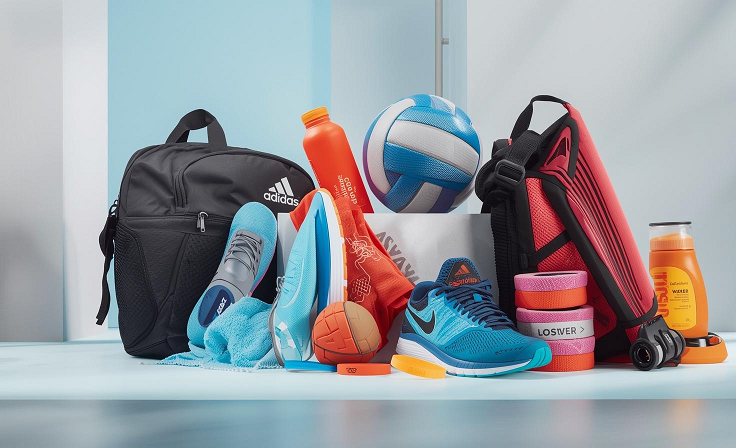
7. Volleyball Bags and Backpacks
Every volleyball player in 2026 needs a reliable bag for organizing and transporting gear. Whether you are a secondary school athlete, a university player, or a club competitor, carrying equipment safely is vital for maintaining performance.
Why Volleyball Bags Are Necessary
Volleyball players often carry:
-
shoes
-
knee pads
-
jerseys
-
socks
-
arm sleeves
-
personal towels
-
water bottles
-
notebooks or strategy materials
-
first-aid supplies
A durable sports bag helps keep gear clean, protected, and easily accessible.
Key Features to Look For in 2026
Multiple Compartments
Separates clean and sweaty clothing.
Ventilated Shoe Chamber
Prevents odor build-up.
Waterproof Material
Protects gear during outdoor travel or unexpected rain.
Strong Zippers
Ensures durability through daily use.
Padded Shoulder Straps
Improves comfort during long walks or commutes.
Backpack vs Duffel Bag
Volleyball Backpacks
-
compact
-
organized
-
easy to carry
-
preferred by students and young athletes
Volleyball Duffel Bags
-
more spacious
-
suitable for tournaments and travel
-
used often by club and professional players
Why Nigerian and African Players Benefit from Good Bags
-
Long-distance movement to training centres
-
Frequent travel for school competitions
-
Protection from dust, heat, and moisture
-
Better gear organization reduces loss or damage
8. Water Bottles and Hydration Gear
Hydration plays a critical role in volleyball performance. In Africa—where temperatures can be high—hydration becomes even more essential. A water bottle may seem simple, but it is one of the most important gear items in 2026.
Why Hydration Gear Is Essential
Dehydration affects:
-
reaction time
-
jumping ability
-
concentration
-
endurance
-
muscle recovery
-
overall performance
Players who fail to hydrate properly become fatigued quickly and experience slower gameplay.
Features to Look For
Leak-Proof Lid
Prevents spills inside your bag.
Large Capacity
Ideal for long training sessions.
Insulated Design
Keeps water cool in hot weather.
BPA-Free Materials
Safe for long-term use.
Easy Grip Handles
Useful for quick access during matches.
Hydration Recommendations for Players
-
Drink before, during, and after training.
-
Prepare oral rehydration solutions during tournaments.
-
Increase fluid intake during outdoor sessions.
Benefits for African Volleyball Players
Because many African courts are outdoors, hydration needs are higher. Insulated bottles help keep water cool during long training hours under the sun.
9. Sports Tape and Finger Tape
Volleyball players frequently tape their fingers or joints for support. Finger injuries occur often due to:
-
ball impact
-
blocking
-
accidental contact with teammates
-
diving
-
overuse
Why Tape Is a Must-Have in 2026
Tape helps players secure:
-
fingers
-
wrists
-
ankles
-
knees (in some cases)
It serves as both a preventive and reactive tool for injuries.
Key Benefits
Joint Support
Prevents hyperextension, especially for setters and blockers.
Injury Prevention
Reduces the risk of sprains during high-intensity matches.
Improved Grip
Useful for sweaty hands.
Faster Recovery
Helps protect sensitive areas while healing.
Types of Sports Tape
Finger Tape
Non-elastic tape used mainly for blocking.
Kinesiology Tape
Elastic tape used for muscle support and motion stability.
Rigid Athletic Tape
Strong support for injured joints.
Why Tape Is Important for African Players
Many courts in Africa have rough surfaces that increase risk of finger damage. Tape protects against abrasions and sudden impacts, especially for players with a high number of ball touches.
10. Personal Volleyball (Indoor or Beach)
Every serious volleyball player in 2026 should own a personal volleyball. Training with your own ball helps develop better control, confidence, and consistency.
Why a Personal Ball Is Essential
Convenient Solo Practice
Allows players to practice passing, setting, serving, and ball-handling at home.
Familiarity
Using your own ball improves technique because you adapt to its weight and feel.
Reliability
Not all training centres or schools have enough quality volleyballs.
Professionalism
Coaches value athletes who come prepared with their own equipment.
Types of Volleyballs
Indoor Volleyball
-
smoother texture
-
high air pressure
-
designed for gym use
Beach Volleyball
-
slightly larger
-
softer exterior
-
lower pressure
-
designed for outdoor resistance
Features to Consider in 2026
Durability
Important for mixed indoor–outdoor usage.
High-Quality Panels
Ensures better control and longer lifespan.
Official Weight
Helps develop proper technique.
Comfortable Feel
Better for long training sessions.
Benefits for Nigerian and African Players
With limited access to indoor gyms, many athletes train in open fields, school compounds, and community centres. Owning a ball ensures uninterrupted practice.
Additional Gear That Enhances Player Performance
Although the ten items listed above represent the essential gear for volleyball players in 2026, there are additional items players should consider if their budget allows.
Towel and Sweat Control Gear
Keeps players dry, improving grip and visibility.
Shin Pads (for Outdoor Players)
Useful when training on hard or uneven surfaces common in local courts.
Compression Shorts or Tights
Improves circulation and reduces muscle fatigue.
Jump Rope
Important for training footwork and conditioning.
Whistle and Notebook (for Team Captains or Setters)
Helps with strategy development and leadership.
How to Choose Volleyball Gear Wisely in 2026
Choosing volleyball gear requires strategic thinking. The following professional guidelines help players invest wisely.
Analyze Your Playing Position
-
Liberos: priorities include sleeves, knee pads, shoes with strong traction.
-
Setters: flexible shoes, finger tape, arm sleeves.
-
Hitters: strong ankle support, cushioned shoes.
-
Middle blockers: lateral support and strong footwear.
-
Opposites: hybrid gear combining hitting and defense needs.
Consider Training Frequency
Players training daily need durable gear with reinforced materials. Casual players can use more affordable options.
Choose for Climate and Environment
African environments require:
-
breathable wear
-
insulated water bottles
-
durable shoes
-
gear that performs well on outdoor surfaces
Focus on Long-Term Value
Cheaper gear often wears out quickly. Investing in durable, high-quality equipment saves money in the long run.
Maintenance Tips for Long-Lasting Gear
Proper care ensures volleyball gear stays effective throughout the 2026 season.
Shoes
-
Air-dry only
-
Clean soles regularly
-
Replace insoles when flat
Knee Pads
-
Wash on gentle cycle
-
Air dry
-
Replace once padding wears down
Jerseys
-
Wash immediately after training
-
Avoid excessive heat
Sports Tape
-
Store in dry areas
-
Replace once elasticity weakens
Water Bottles
-
Wash daily
-
Deep-clean weekly
Personal Volleyball
-
Avoid over-inflation
-
Keep away from sharp objects
-
Clean surface frequently
Summary
The 10 must-have volleyball gear items for players in 2026 create a complete performance and protection system for athletes at every level. These gear items are essential for building confidence, preventing injuries, enhancing movement, and competing at higher standards.
Here is the complete list:
-
Volleyball shoes
-
Arm sleeves
-
Ankle braces
-
Volleyball socks
-
Jerseys and performance wear
-
Volleyball bags
-
Water bottles
-
Sports tape
-
Personal volleyball
Players in Nigeria, Africa, and around the world benefit from durable, breathable, and high-performance gear due to the nature of training environments and competitive demands.
A well-equipped volleyball player in 2026 stands a far better chance of improving skills, staying injury-free, training consistently, and performing at top levels. With the right gear, athletes enjoy smoother movement, better control, safer landings, improved passing accuracy, and overall professional development.