
Profile of a Top-Level Womens Volleyball Player in the USA 2025/2026
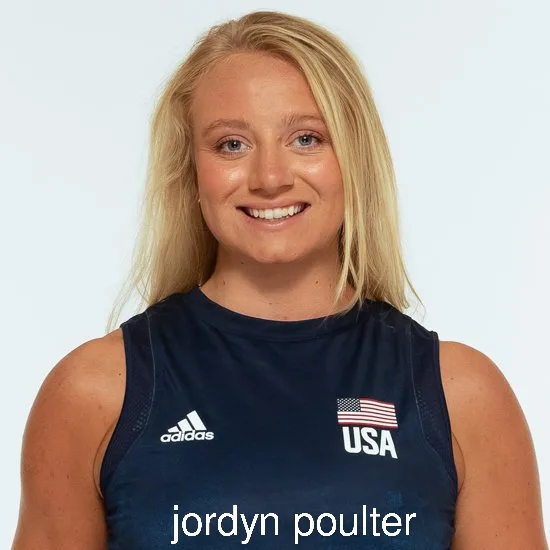
A top-level women’s volleyball player in the USA represents the peak of athletic discipline, technical mastery, strategic intelligence, and long-term commitment to development. By 2025/2026, the volleyball landscape in the United States has evolved into a highly competitive ecosystem with structured pathways from school to college and from club systems to semi-professional and professional leagues.
This section explains what it truly takes for an athlete to rise to the highest standards in the USA, the physical expectations, the mental requirements, and the training foundation that sets elite players apart. For students, aspiring athletes, Nigerian or African volleyball players seeking opportunities, this serves as a complete guide to understanding the qualities and journey of top-tier performers.
Physical Attributes of Top-Level Women’s Volleyball Players
The physical expectations for high-level performance continue to evolve each year. Modern volleyball requires athletes who are explosive, agile, flexible, coordinated, and resilient. Peak physical ability is now essential because of the faster pace of the game and the increasing physicality of competition.
Height and Reach as Performance Advantages
In women’s volleyball, height remains an advantage, particularly for positions like middle blocker, outside hitter, and opposite hitter. However, physical reach, jumping technique, and timing are equally important. Many elite athletes are not only tall but possess outstanding arm reach, making it easier to contest blocks, hit over defenders, and perform effective serves.
Explosive Jump Power
Vertical jump ability is one of the most defining characteristics of elite-volleyball performance. Top players in 2025/2026 train extensively to achieve:
-
Higher approach jumps
-
Quick reactive jumps during blocking
-
Controlled vertical landings
-
Powerful takeoff mechanics
Players incorporate plyometrics, resistance training, sprint work, and movement drills to maintain peak elevation throughout the season.
Strength and Conditioning Requirements
Strength development affects every skill in the game. The modern elite player in the USA engages in full-body strength training that focuses on:
-
Lower body power
-
Core stabilization
-
Shoulder strength for hitting and blocking
-
Back strength for posture and endurance
-
Injury-preventive conditioning
The combination of strength, endurance, and controlled explosiveness differentiates top-level athletes from recreational players.
Agility, Quickness, and Reaction Time
Volleyball movements are fast and multidirectional. An elite athlete must change direction instantly, accelerate quickly, and react to unexpected situations. This requires:
-
Sharp footwork
-
Efficient court movement
-
Quick defensive transitions
-
High-speed lateral movements
Speed and agility programs are integrated into every training phase to maintain competitive performance.
Technical Skill Mastery Required for High Performance
A top-level women’s volleyball player in the USA must demonstrate near-perfect command of foundational and advanced volleyball skills. The game is unforgiving at the highest levels, and players must be consistent, versatile, and capable of making smart decisions at high speed.
Serving Precision and Power
Serving is one of the most offensive tools in volleyball. Elite players master:
-
Float serves with unpredictable movement
-
Jump serves with power and topspin
-
Tactical placement targeting weak receivers
Consistency in serving separates professional athletes from developing players.
Passing Excellence and First-Ball Contact
Passing determines the quality of team offense. Top players must:
-
Handle powerful serves
-
Maintain low, controlled platforms
-
Move efficiently before contact
-
Deliver accurate passes to setters
Players who struggle with passing rarely succeed at elite levels, especially in the USA where serve pressure is extremely high.
High-Level Setting Intelligence
Even if an athlete is not a setter, understanding setting patterns is essential. Elite setters demonstrate:
-
Quick decision-making
-
Deception
-
Timing accuracy
-
Ball distribution flexibility
Setters often act as on-court strategists who guide offense and adjust tactics based on opposing defenses.
Dominant Attacking and Hitting Ability
Top attackers possess:
-
Strong approach mechanics
-
Controlled arm swing
-
Ability to hit at different angles
-
Shot variation
-
High jump timing
They learn to read blockers, adjust mid-air, and make fast attacking decisions that exploit defensive weaknesses.
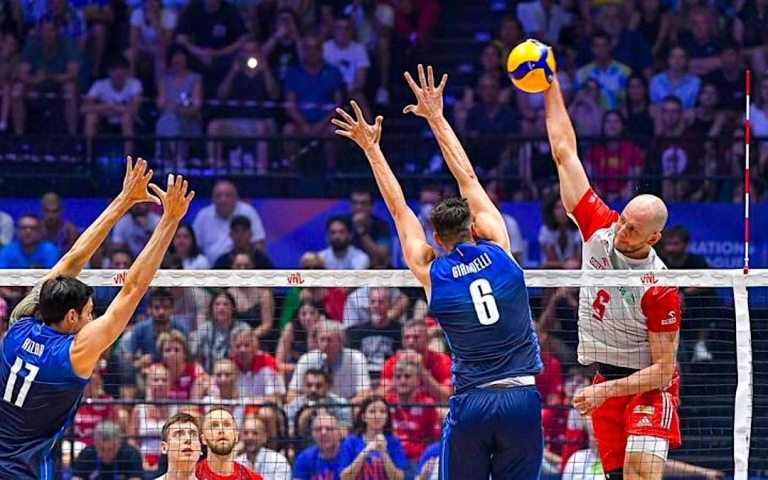
Blocking Technique and Defensive Readiness
Blocking and defense require anticipation and awareness. Elite players:
-
Study opponent tendencies
-
Time their jumps precisely
-
Maintain disciplined hand positioning
-
Transition quickly to attack after a block
Defensive champions combine speed, instinct, and exceptional coordination.
Mental Strength and Competitive Mindset of Elite Players
Physical and technical ability alone cannot create a top-level performer. The mental piece remains one of the strongest differentiators between average athletes and elite athletes.
Discipline and Commitment to Consistent Training
Top players practice rigorously throughout the year. They follow structured schedules involving:
-
Skill sessions
-
Strength workouts
-
Conditioning
-
Volleyball IQ learning
-
Recovery plans
Discipline ensures long-term performance gains.
Adaptability and Game Intelligence
Elite athletes understand the game beyond the basics. They develop:
-
Situational awareness
-
Ability to read opponents
-
Tactical decision-making
-
Creativity under pressure
Game intelligence gives athletes an advantage when physical attributes are evenly matched.
Confidence and Emotional Resilience
Volleyball is emotionally intense, involving constant transitions and rapid point changes. Top-level athletes must:
-
Maintain confidence after mistakes
-
Handle pressure
-
Communicate effectively
-
Stay mentally focused across long matches
Mental resilience often defines who performs best in key moments.
Essential Training Programs Used by Top-Level Players in the USA
In 2025/2026, the structure of volleyball training has become more scientific and personalized. Top clubs, college programs, and national training centers use integrated high-performance systems.
Skill-Specific Training Sessions
These sessions focus on:
-
Serving mechanics
-
Passing footwork
-
Setter release speed
-
Hitting technique
-
Blocking form
Each training block is carefully planned to maximize progress.
Strength and Conditioning Modules
Strength training typically includes:
-
Weightlifting
-
Plyometrics
-
Core conditioning
-
Mobility work
-
Injury-prevention exercises
The goal is to create a durable, powerful athlete who can perform consistently at high intensity.
Speed, Agility, and Movement Training
Movement-focused sessions help players improve:
-
Court transitions
-
Defensive footwork
-
Explosive take-offs
-
Faster reaction times
Agility training helps players respond rapidly during unpredictable game situations.
Tactical and Film Review Sessions
Video learning has become a major part of volleyball development. Athletes analyze:
-
Their own performances
-
Opponent systems
-
Defensive positioning
-
Offensive patterns
The ability to study and respond to patterns quickly makes athletes smarter and more effective on the court.
Pathway to Becoming a Top-Level Women’s Volleyball Player in the USA
Unlike many sports, volleyball development in the USA follows a clear, structured pathway. Athletes progress through several developmental stages before reaching elite status.
Youth Volleyball and School Programs
Most athletes begin in:
-
School teams
-
Local clinics
-
Community volleyball events
Exposure to the sport at a young age builds coordination and interest.
Club Volleyball and Junior Training
Club volleyball is perhaps the most important stage in development. Clubs offer:
-
High-level coaching
-
Competitive tournaments
-
National exposure
-
Position-specific training
This stage shapes technical and tactical development.
High School Volleyball Performance
High school volleyball remains a strong platform for:
-
Recognition
-
Competitive match play
-
College scouting opportunities
Strong high school programs improve athlete visibility and experience.
College Volleyball and NCAA Pathways
College volleyball in the USA is one of the most competitive systems in the world. Top players often attend:
-
NCAA Division I programs
-
Division II and III schools
-
Junior colleges
College training is intense and prepares athletes for professional-level competition.
Professional, Semi-Professional, and International Pathways
By 2025/2026, more American female athletes compete in:
-
Pro leagues
-
International tournaments
-
National team programs
This is where elite players fully develop their identity and compete at the highest levels.
Opportunities Available to Top-Level Women’s Volleyball Players in the USA (2025/2026)
A major reason many athletes pursue elite volleyball in the USA is the abundance of opportunities available at different stages of their career. From youth development to professional levels, the USA remains one of the world’s strongest volleyball ecosystems.
This section outlines the major opportunities open to top-level women’s volleyball athletes in 2025/2026.
College Scholarships and Educational Advancement
College scholarships remain one of the most valuable opportunities for elite volleyball athletes. NCAA programs across Division I, II, and III offer scholarship packages that can include:
-
Full tuition
-
Accommodation
-
Training gear
-
Meal plans
-
Academic support
A strong volleyball profile increases a student’s chances of receiving a scholarship, reducing the financial burden of higher education.
For international students, including Nigerians and Africans, this pathway opens doors to world-class academic institutions and professional visibility.
National Team Training and Selection Opportunities
The USA has one of the strongest women’s national volleyball programs in the world. Top athletes have opportunities to join:
-
National training camps
-
Junior national teams
-
Development programs
-
Senior national team trials
These platforms expose athletes to world-class coaching and international competition.
Professional Volleyball Leagues and Clubs
Women’s professional volleyball is expanding. Elite athletes in 2025/2026 can join:
-
Domestic professional leagues
-
Overseas clubs
-
Hybrid semi-professional programs
Players who build strong college careers often receive offers from clubs around the world.
Coaching, Mentorship, and Career Roles in Volleyball
Beyond active competition, many top-level athletes evolve into new careers within the sport. Opportunities include:
-
Coaching positions
-
Volleyball consultancy
-
Athlete mentorship roles
-
Performance training specialists
-
Sports management roles
Because elite athletes understand the game deeply, they are highly sought after for sports-related career paths.
Fitness, Media, and Brand Partnerships
With volleyball gaining popularity, especially through digital media, many high-level athletes receive opportunities such as:
-
Fitness sponsorships
-
Brand ambassadorships
-
Media features
-
Online coaching platforms
Athletes who maintain strong public presence can build long-term careers beyond playing professionally.
US Volleyball System Structure Supporting Elite Women’s Development
The USA volleyball system is structured in a way that supports progressive development, providing players with clear, step-by-step advancement pathways.
School and Community Programs
Early volleyball exposure generally begins in:
-
Elementary schools
-
Middle schools
-
Local community sports programs
-
Youth leagues
These programs lay the foundation for coordination and fundamental skills.
Club Volleyball as the Core Development Platform
Club volleyball is regarded as the engine of talent development in the USA. It offers:
-
Advanced coaching
-
Competitive tournaments
-
Skills specialization
-
National-level exposure
Clubs are pivotal for athletes aiming to reach collegiate or professional levels.
High School Varsity Volleyball
High school volleyball allows athletes to gain visibility. Strong high school programs offer:
-
Competitive match schedules
-
Local and regional tournaments
-
Player ranking opportunities
Performance at this stage is essential for getting recruitment attention.
NCAA College Volleyball
College volleyball in the USA is known for intense competition. College programs offer:
-
Strength programs
-
Professional-level coaching
-
Nutrition support
-
Performance analysis
-
Top-tier matches
This is often the final stage before professional advancement.
Professional and International Leagues
After college, elite athletes can join domestic or global leagues. International competition exposes them to diverse playing styles and high-intensity matches.
Financial Expectations and Salary Insights for Top-Level Women Athletes
While volleyball earnings vary based on league, country, and sponsorship opportunities, elite-level players typically earn through multiple channels.
Professional Team Salaries
Players who join professional volleyball clubs receive salaries based on:
-
Contract value
-
Performance level
-
Club budget
-
Country of league
Earnings may range depending on whether they compete in domestic leagues or international circuits.
Sponsorships and Brand Deals
Top athletes can receive additional income through:
-
Sportswear sponsorships
-
Nutrition brand partnerships
-
Media appearances
-
Fitness collaborations
Consistent performance and professional marketability influence sponsorship deals.
Coaching and Development Roles
Athletes who transition to coaching can earn income through:
-
Private training sessions
-
School coaching roles
-
Club coaching contracts
-
Volleyball camps and clinics
This income grows as they build credibility and a reputation in the volleyball community.
Online Coaching and Digital Content
Some athletes create:
-
Online volleyball courses
-
Training videos
-
Subscription-based training plans
This income stream is growing rapidly in 2025/2026 due to the popularity of digital sports education.
Essential Support Systems That Shape Elite Women Volleyball Athletes
To maintain peak performance, athletes rely on a network of support systems that influence their long-term durability, confidence, and skill levels.
Performance Coaches and Technical Trainers
Technical trainers help players refine:
-
Hitting mechanics
-
Passing angles
-
Setting release timing
-
Blocking patterns
-
Defensive reading
Specialized coaches play a major role in preparing athletes for high-level competition.
Strength and Conditioning Coaches
Strength coaches design structured training plans tailored to:
-
Jump power
-
Core strength
-
Shoulder stability
-
Injury prevention
-
Explosive movement
This improves an athlete’s longevity and consistency.
Nutritionists and Sports Dietitians
Top athletes follow nutrition plans that focus on:
-
Muscle recovery
-
Energy balance
-
Hydration
-
Lean muscle development
-
Meal timing
Nutrition directly affects performance on the court.
Sports Psychologists and Mindset Trainers
Mental performance specialists help athletes improve:
-
Concentration
-
Confidence
-
Game awareness
-
Emotional control
-
Stress management
Psychological readiness is as crucial as physical strength.
Athletic Trainers and Physiotherapists
Athletic trainers help players manage:
-
Injury treatment
-
Movement assessment
-
Preventive exercises
-
Flexibility routines
They ensure athletes remain healthy throughout the season.
How African and Nigerian Athletes Can Pursue Volleyball Opportunities in the USA
Many African and Nigerian athletes dream of competing in the USA volleyball system. With proper preparation, this goal is achievable.
Skill Development at Home
Players should focus first on:
-
Improving fundamental volleyball skills
-
Attending volleyball academies
-
Practicing regularly
-
Building match experience
A strong base increases the chances of success abroad.
Creating a Sports Profile or Performance Portfolio
Athletes should prepare:
-
Skill videos
-
Match highlights
-
Volleyball biography
-
Training clips
-
Academic transcripts
A complete profile is essential when contacting clubs or colleges.
Contacting Clubs and College Programs
Players can reach out to programs by:
-
Sharing performance videos
-
Attending virtual tryouts
-
Participating in international recruitment programs
-
Networking with coaches
Consistency and professionalism increase visibility.
Preparing for Scholarship or Training Trials
To succeed in trials, players must:
-
Arrive physically prepared
-
Demonstrate discipline
-
Present strong fundamentals
-
Show tactical understanding
Coaches value athletes who adapt quickly and show commitment.
Long-Term Career Growth and Sustainability for Elite Women Athletes
A volleyball career can extend for many years when managed properly.
Maintaining Peak Fitness Over Multiple Seasons
Athletes must remain disciplined by:
-
Following structured workout plans
-
Monitoring match load
-
Prioritizing recovery
-
Adopting injury-prevention routines
Sustained performance requires consistent effort.
Building a Professional Identity
A recognizable identity helps athletes stand out. This can involve:
-
Leadership ability
-
Communication skills
-
Public engagement
-
Community involvement
A strong personal identity leads to more opportunities.
Transitioning to Post-Playing Careers
When athletes retire, they can pursue careers such as:
-
Coaching
-
Sports management
-
Strength training
-
Media analysis
These careers allow athletes to remain active in volleyball.
Final Thoughts on the Profile of a Top-Level Women’s Volleyball Player in the USA (2025/2026)
The journey to becoming a top-level women’s volleyball player in the USA is demanding, highly competitive, and rewarding. It requires a blend of physical power, technical expertise, tactical intelligence, mental resilience, and strategic career planning.
For athletes worldwide, especially Nigerians, Africans, and international students seeking global opportunities, understanding this pathway is the first step toward pursuing scholarships, club contracts, or professional aspirations.