Top Mikasa Volleyballs Compared
Mikasa is universally recognized as one of the most dominant, influential, and trusted volleyball manufacturers in the world. Whether you walk into a school gymnasium in Asia, a beach tournament in Europe, a university court in North America, or a training center in Africa, the presence of Mikasa volleyballs is almost guaranteed. This widespread adoption is the result of consistent innovations, strict quality standards, and decades of collaboration with international governing bodies.
Mikasa produces volleyballs used in top-tier global events, including the Olympic Games, FIVB World Championships, Continental tournaments, and professional club leagues. Their balls are known for stability, durability, soft-touch engineering, aerodynamic accuracy, and match-ready precision.
But despite the brand’s international prestige, many players beginners, coaches, school administrators, and even professional athletes—often struggle to differentiate between Mikasa models. Since Mikasa produces both indoor and beach volleyballs, training balls, competition-level balls, and hybrid polyester-microfiber models, choosing the right type requires clear understanding.
This article provides an in-depth comparison of Mikasa’s top volleyballs, explaining their features, strengths, weaknesses, ideal users, court suitability, textures, durability, performance consistency, price expectations, and long-term value.
Understanding the Mikasa Volleyball Technology
To fully appreciate the differences between Mikasa balls, it is important to understand the technology behind the brand’s manufacturing.
Microfiber Composite Covering
Most high-end Mikasa volleyballs use a microfiber construction designed for elite gameplay. This covering improves grip, ball control, and flight stability, especially in high-speed rallies.
Anti-Slip Surface Engineering
Mikasa is known for its distinctive anti-slip texture. The hexagonal or dimpled panel design allows players to maintain steady control during passing, serving, and defensive moves.
Reinforced Panels
Professional balls like the V200W use double-layered panels with enhanced reinforcement to withstand intensive top-level play.
TwinSTLock Stitching
This technology reduces seam stress and contributes to shape retention even after extended use.
Low-Rebound Foam Layer
Helps maintain balanced soft-touch handling, especially for beginner to intermediate players.
Aerodynamic Panel Configuration
Certain high-end models feature 18 or 10-panel designs that enhance flight stability and reduce irregular air resistance.
Butyl Bladder Core
Most Mikasa balls use a premium butyl rubber bladder that holds air significantly longer than cheaper volleyball brands.
This combination of design elements is what makes Mikasa one of the few volleyball brands globally capable of meeting the requirements of advanced and professional players.
Top Mikasa Volleyballs Compared
COMPARISON OF TOP MIKASA VOLLEYBALL MODELS
Below is a breakdown of Mikasa’s most popular and widely used volleyballs globally. Each model is discussed in detail, including purpose, performance, best use cases, and what sets it apart in the volleyball market.
Mikasa V200W (FIVB Approved)
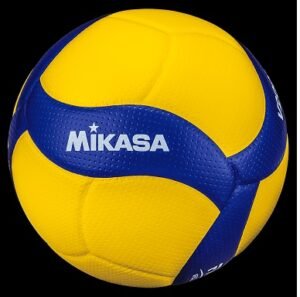
Overview
The Mikasa V200W is widely considered the best indoor volleyball in the world. It replaced the older MVA200 as the official Olympic and FIVB game ball. Since its launch, it has become the standard for elite indoor tournaments internationally.
Key Features
-
18 aerodynamic panel design
-
Anti-slip micro-texture surface
-
Stable flight technology
-
Double-layer reinforced construction
-
Butyl rubber bladder
-
Perfect spherical balance
Performance
The V200W excels in accuracy and speed. The aerodynamic design ensures consistent movement in the air, reducing unpredictable ball behavior. Many professional players appreciate the enhanced grip, which improves reception and ball handling during fast-paced matches.
Best For
-
Professional indoor competitions
-
University-level teams
-
High-performance training centers
-
Advanced players
Drawbacks
-
Higher cost than standard training balls
-
Not ideal for beginners who need extremely soft-touch balls
Why It Stands Out
Its engineering makes it the top choice for elite competitions worldwide.
Mikasa MVA200
Overview
Before the V200W, the MVA200 was the official FIVB game ball. It is still popular internationally and considered one of the best indoor volleyballs ever produced.
Key Features
-
8-panel design
-
Dimpled micro-fiber covering
-
Excellent grip
-
High stability
-
Soft-touch feel
Performance
The MVA200 has exceptional spin control and remains beloved by athletes who prefer a slightly softer ball feel compared to the V200W. Its dimpled design improves grip, making it ideal for receiving and setting.
Best For
-
Advanced players
-
Indoor competitions
-
Senior secondary and university teams
Drawbacks
-
Slightly outdated design compared to newer FIVB models
-
Higher price range
Why It Stands Out
Historic prestige and unmatched grip in its generation.
Mikasa V330W
Overview
The V330W is a mid-range version of the V200W and designed for competition-level training. It offers professional qualities but at a more accessible price.
Key Features
-
18-panel configuration similar to V200W
-
Soft microfibre PU surface
-
High durability
-
Reinforced structure
Performance
It delivers stable trajectory and soft touch, making it suitable for daily training. Many coaches use it because it replicates the feel of the official FIVB match ball without the high price.
Best For
-
Sports academies
-
College teams
-
High school competitions
-
Semi-professional training
Drawbacks
-
Not as premium as the V200W
-
Slightly heavier feel during extended use
Why It Stands Out
Exceptional balance between price and performance.
Top Mikasa Volleyballs Compared
Mikasa V300W
Overview
Often used as a mid-tier match ball, the V300W offers high-quality construction suitable for competitive matches below the professional level.
Key Features
-
18-panel structure
-
Composite microfiber
-
Anti-slip design
-
Strong butyl bladder
Performance
The V300W provides excellent flight stability and grip. Teams that cannot afford the V200W often use the V300W for competitions.
Best For
-
National school tournaments
-
Regional leagues
-
Club-level competitions
Drawbacks
-
Slightly less refined surface texture than the V200W
-
Trajectory not as perfect as the MVA200
Why It Stands Out
A reliable indoor ball that delivers pro-level performance at a moderate price.
Mikasa V2000 (Training Ball)
Overview
Designed for durability and affordability, the V2000 is one of the most common school and training volleyballs worldwide.
Key Features
-
Synthetic leather cover
-
Reinforced seams
-
Durable pressure retention
-
Easy handling
Performance
It provides good ball control but does not offer precision comparable to the V200W or V300W. However, its rugged construction makes it suitable for daily drills.
Best For
-
School sports programs
-
Beginner training
-
Bulk team purchases
Drawbacks
-
Not suitable for professional matches
-
Heavier feel than microfiber-based balls
Why It Stands Out
Affordable, long-lasting, and perfect for high-usage environments.
MIKASA BEACH VOLLEYBALLS: FULL COMPARISON
Beach volleyball requires specific ball characteristics due to wind, sand, moisture, and outdoor play intensity. Mikasa produces some of the top beach volleyballs in the world.
Mikasa VLS300 (FIVB Approved – Beach)
Overview
The VLS300 has been the official FIVB beach volleyball for many years. It is the equivalent of the V200W but designed specifically for outdoor play.
Key Features
-
Water-resistant surface
-
Soft composite leather
-
10-panel design
-
Enhanced control in windy conditions
-
Stable rotational balance
Performance
The VLS300 performs exceptionally on sand courts. It maintains grip even when moist and provides stable floating movement during serves.
Best For
-
Professional beach tournaments
-
Semi-professional athletes
-
University beach teams
Drawbacks
-
High price range
-
Too advanced for casual backyard play
Why It Stands Out
Its long reign as the world’s top beach volleyball.
Mikasa BV550C (Olympic-Grade Beach Volleyball)
Overview
A newer model gaining global recognition, the BV550C offers upgraded technology and improved precision, suitable for high-level competitions.
Key Features
-
10 aerodynamic panels
-
Water-resistant PU material
-
Enhanced grip
-
Improved soft foam layer
Performance
It offers uniform bounce, stable flight, and excellent hand-feel. Many players transitioning from indoor to beach prefer this ball.
Best For
-
Professional-level training
-
High-level beach leagues
Drawbacks
-
Limited availability in some countries
-
Higher price
Why It Stands Out
Outstanding accuracy on sand and superior moisture resistance.
Mikasa SBV Youth Beach Volleyball
Overview
A lightweight ball designed for juniors and recreational beach sports.
Key Features
-
Soft-touch padding
-
Lightweight design
-
Durable seams
Performance
It helps young players practice control without strain. Perfect for training clinics and school beach sports programs.
Best For
-
Children
-
Beginners
-
Recreational beach play
Drawbacks
-
Not competition-grade
-
Lightweight feel may be unsuitable for adult training
Why It Stands Out
Best youth-friendly beach ball by Mikasa.
Further Comparing Mikasa Volleyball Models by Skill Level, Game Setting, Budget, Durability Expectations, and Long-Term Performance
This section continues the global comparison of Mikasa volleyballs, helping players, schools, coaches, professional clubs, and recreational users understand what ball best fits their needs in 2026.
Comparing Mikasa Volleyballs by Skill Level
Mikasa Volleyballs for Beginners
Beginners need balls that are soft, easy to handle, and affordable. Mikasa typically designs entry-level balls that support skill development without causing hand pain.
Recommended Starter Models
-
Mikasa V200W-Replica or Training Version
-
Mikasa MVA200 Light Training Ball
-
Mikasa School and Youth Series (varies by region)
Why These Suit Beginners
-
Softer synthetic cover reduces sting.
-
Lightweight options help new players learn control.
-
Durable enough for constant mistakes like hitting the ground or walls.
-
More affordable compared to tournament models.
Best Use Cases
-
PE classes
-
Community sports programs
-
Kids under 12 developing fundamentals
-
Recreational outdoor groups
Top Mikasa Volleyballs Compared
Intermediate Players: Best Mikasa Volleyball Options in 2026
Intermediate players need slightly more advanced balls with better grip and control but still forgiving.
Recommended Models
-
Mikasa V330W
-
Mikasa MVA330
-
Mikasa V420W (depending on region)
Reasons These Suit Intermediate Users
-
Better grip panels, giving more spin control.
-
Reliable bounce for learning serves, passes, and spikes.
-
Soft yet firm enough for more accuracy.
-
Affordable mid-tier price bracket.
Where These Balls Fit Best
-
High school volleyball teams
-
University clubs
-
Weekend competitions
-
Talented youth leagues transitioning to professional-level balls
Advanced and Professional Players: Elite Mikasa Volleyball Models
The highest-level Mikasa models are engineered for accuracy, power, grip, and consistent performance at tournament speeds.
Recommended Top-Class Balls
-
V200W – Official FIVB Game Ball
-
MVA200 – Previously used in Olympics
-
MVA300 – High-performance alternative
-
Beach Model VLS300 (for outdoor sand tournaments)
Why These Suit Professionals
-
Aerodynamically engineered panels deliver tighter trajectory.
-
Better flight stability at high speed.
-
Superior grip prevents slip during spikes and jump serves.
-
Used in professional leagues worldwide.
Where You See Them Played
-
International volleyball championships
-
Olympic-level games (past and present)
-
National leagues in Europe, Africa, South America, North America, and Asia
-
Professional training academies
Comparing Mikasa Volleyballs by Environment
Indoor Volleyball Use
Balls like the V200W, V300W, and V330W dominate indoor settings.
Indoor Ball Advantages
-
Smooth but textured paneling for grip.
-
Designed for hardwood court bounce.
-
Stable trajectory.
-
Comfortable touch for quick passes.
Best Picks
-
For professionals: V200W
-
For intermediate: V330W
-
For budget users: Replicas and school-level training balls
Outdoor Volleyball Use
Outdoor volleyball balls often take more abuse due to sand, concrete, and weather.
Best Outdoor Mikasa Models
-
VLS300 – Beach Volleyball Standard
-
VS170W – Training Beach Ball
-
Weather-resistant composite training balls
Why They Work Outdoors
-
Better water resistance.
-
Softer exterior for constant outdoor hits.
-
Keeps shape even when wet.
-
Durable stitching and panel bonding outlast rough use.
Comparing Mikasa Volleyballs by Durability
Durability matters depending on how often the ball is used and where.
Most Durable Models in 2026
-
V330W – Long lifespan for schools/clubs.
-
VLS300 – Extremely durable in sand.
-
MVA330 – Affordable but strong mid-range.
-
V200W – Durable but premium, ideal for serious players.
Durability Ranking (General, Not Absolute)
-
VLS300 (extremely rugged outdoors)
-
V330W
-
MVA330
-
V200W (premium but requires proper indoor care)
-
Replica models (strong enough for training)
Comparing Mikasa Volleyballs by Handling and Grip
Grip is essential for setters, hitters, and defensive players.
Best Grip Models
-
V200W
-
MVA200
-
MVA300
These feature dimples and textured surfaces enhancing ball handling.
Medium Grip Models
-
V330W
-
MVA330
Great for players combining training and competitions.
Softest Grip for Beginners
-
Training and school-level balls.
Comparing by Price Category
Premium Pricing
-
V200W
-
VLS300 (Beach)
These are the highest quality and highest cost.
Mid-Range Pricing
-
V330W
-
MVA330
High quality but affordable for regular clubs and schools.
Budget Category
-
Basic training balls
-
Replica models
-
School/youth series
These are ideal for bulk purchase or recreational usage.
Top Mikasa Volleyballs Compared
Choosing the Best Mikasa Volleyball Based on Player Position
Best for Setters
-
V200W
-
MVA200
Their grip helps precise fingertip control.
Best for Liberos (Defensive Players)
-
V200W
-
V330W
-
MVA330
Their stable trajectory improves defensive reads.
Best for Attackers (Spikers)
-
V200W
-
MVA300
-
MVA200
More control at high velocities.
Best for Youth/Junior Positions
-
Training or lightweight models
Kids need comfort and lightness over pro-level performance.
Comparison of Mikasa Volleyball Bounce Quality
Top Bounce Precision
-
V200W
-
MVA200
-
VLS300 (for sand)
They have strict FIVB-approved bounce standards.
Moderate Bounce Precision
-
V330W
-
MVA330
Suitable for training games.
Soft/Low Bounce Balls
-
Youth and school training balls designed to minimize hand pain.
Global Popularity of Mikasa Volleyballs in 2026
Where Mikasa Dominates
-
Europe: Used in most clubs and leagues.
-
Asia: High demand due to long history with the Mikasa brand.
-
Africa: Increasing adoption in schools and national teams.
-
The Americas: A top brand alongside others used in college and pro leagues.
Why Mikasa Maintains Global Appeal
-
Reliability
-
Consistency across models
-
Long-lasting products
-
FIVB endorsement
-
Good resale and availability
How Mikasa Volleyballs Perform During Long-Term Use
1–6 Months of Regular Use
-
Grip remains strong.
-
Panels rarely peel.
-
Shape stays firm.
6–12 Months
-
Professional balls require proper inflation management.
-
Training balls may show minor wear but remain functional.
1–3 Years
-
Mid-tier balls like V330W often last multiple seasons.
-
Outdoor balls survive longer due to rugged design.
Mikasa Volleyball Care Tips for Maximum Lifespan
Proper Inflation
-
Keep PSI within recommended levels.
-
Avoid over-inflation, which shortens panel lifespan.
Storage
-
Store indoors.
-
Keep away from direct sunlight.
-
Avoid moisture unless using beach balls.
Cleaning
-
Use damp cloth only.
-
Do not use harsh detergents.
These simple practices dramatically increase durability.
Best Mikasa Volleyball for Different Types of Buyers (2026 Guide)
For Coaches
-
V330W for training.
-
V200W for match days.
For Schools
-
Bulk training balls or replica models.
For Professional Clubs
-
V200W and VLS300 for indoor and beach competitions.
For Recreational Users
-
Training balls or mid-tier models depending on budget.
For Children
-
Light and soft youth volleyballs.
Final Ranking of the Best Mikasa Volleyballs of 2026 (Overall)
1. V200W – Best Overall Indoor Ball
-
Top-tier accuracy, grip, and flight control.
2. VLS300 – Best Outdoor & Beach Ball
-
Outstanding durability and play feel on sand.
3. V330W – Best Mid-Range Training Ball
-
Highly durable, excellent for schools and professionals in training.
4. MVA200 – Best Legacy Pro Ball
-
Still loved globally for its unique feel.
5. MVA330 – Best Value for Money
-
Affordable and strong enough for heavy use.
Conclusion: Which Mikasa Volleyball Should You Buy in 2026?
Choosing the best Mikasa volleyball depends on your budget, skill level, environment, and purpose.
-
Choose V200W if you want the best performance indoors.
-
Choose V330W if you want durability and affordability.
-
Choose VLS300 for beach or outdoor play.
-
Choose training models if buying for kids, recreation, or school programs.
Mikasa continues to dominate as the most reliable volleyball manufacturer worldwide, offering durable, high-quality balls that meet global standards for both amateurs and elite athletes.