Volleyball Girl in 2026
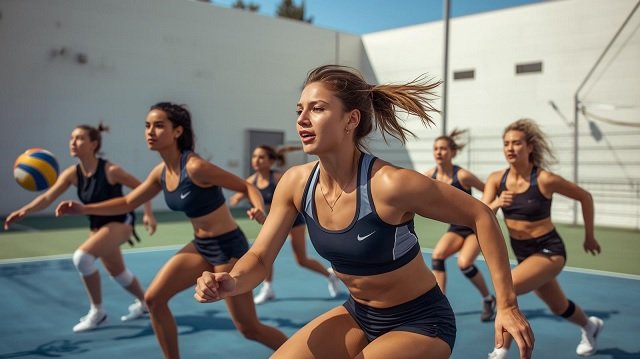
The term “volleyball girl” has become one of the most expressive cultural and sporting identities in 2026. It no longer refers only to a young female athlete who plays the game. Instead, it represents a full lifestyle, a training mindset, a fashion trend, a sports development pathway, and an entire perception of strength, agility, confidence, and discipline. A volleyball girl can be a beginner in secondary school, a collegiate athlete, a club player, a national-level competitor, or someone who simply trains and follows the volleyball lifestyle for fitness or personal passion.
In many countries, including Nigeria, Ghana, South Africa, Kenya, the United States, and the United Kingdom, young women are increasingly attracted to volleyball because of its inclusive movement style, diverse body-type accommodation, strong team culture, and visible career opportunities. As the sport gains visibility through social platforms, professional leagues, grassroots programmes, and collegiate structures, the identity of a volleyball girl has expanded into something both athletic and aspirational.
A volleyball girl in 2026 typically takes the sport seriously from a technical, physical, and competitive perspective. She understands the fundamentals of serving, passing, setting, blocking, digging, and hitting. She trains consistently, invests in professional-grade apparel, buys appropriate shoes and protective gear, and follows elite players for inspiration. At the same time, she values education, career opportunities, community engagement, and personal confidence.
This article breaks down every aspect of the volleyball girl identity: training, lifestyle, apparel, mindset, opportunities, skills, positions, health, fitness, scholarship pathways, and long-term development. It covers both the commercial aspects that readers search for (clothing, shoes, accessories, training gear, services) as well as the broader informational aspects that help parents, athletes, coaches, and students understand the volleyball world at a deeper level.
Characteristics That Define a Volleyball Girl in 2026
A volleyball girl is shaped by a mixture of discipline, athleticism, teamwork, and personal identity. While each athlete is unique, the following characteristics are widely recognised in 2026.
A strong training mindset
Volleyball is not a casual hobby for her. It requires deliberate strength training, movement practice, ball control development, and ongoing skill refinement. Most volleyball girls train at least three to six times a week, depending on their level. They stay committed even when balancing school, work, or personal challenges.
High levels of coordination and agility
Volleyball requires fast footwork, explosive reactions, and rapid decision making. A volleyball girl develops outstanding coordination, balance, and spatial awareness, often surpassing athletes from many other sports.
Teamwork and communication
She understands how to interact with teammates, call plays, adjust positions, and read opponents. Her emotional intelligence is part of her athletic strength.
Confidence and athletic poise
Volleyball girls are known for standing tall, maintaining strong posture, and showing confidence both on and off the court. This comes from years of training and exposure to competitive environments.
A blend of femininity and athleticism
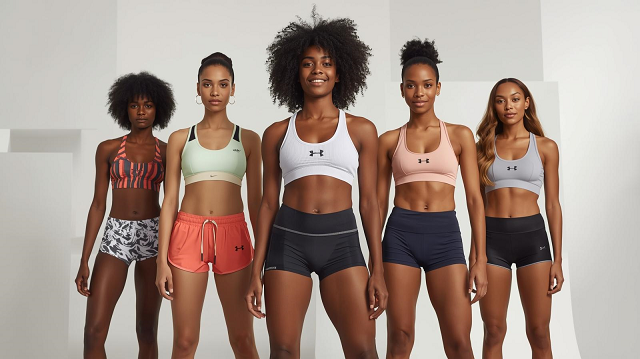
Volleyball is one of the few sports where the fashion and performance worlds overlap naturally. Many volleyball girls are recognised for their style choices, clean athletic looks, and well-organised training outfits. Athletic apparel companies also use volleyball to showcase women’s sports fashion.
A commitment to health and wellness
Volleyball girls often combine physical training with balanced nutrition, hydration routines, stretching programmes, and injury prevention practices. Many dedicate time to fitness even outside volleyball sessions.
Pathways for Becoming a Volleyball Girl in 2026
The route to becoming a volleyball girl varies by region, access to coaching, schooling system, and opportunity. However, the stages below reflect the most common development pathway.
Starting with grassroots or recreational volleyball
Most volleyball girls begin their journey through school programmes, youth organisations, community clubs, or recreational fitness classes. Even informal backyard or beach volleyball exposure often leads to stronger interest.
Entering formal training
Once interest grows, young players typically join coaching programmes where they receive skill-specific development and structured training drills. Formal training helps them master techniques such as passing, serving, and hitting.
Participating in local or school competitions
Competition begins at secondary school or community club level. This is where coaches identify position suitability and technical potential.
Moving to advanced training or elite development academies
Players with strong potential are selected for advanced groups, inter-school competitions, and state or national training programmes.
Entering collegiate, university, or semi-professional pathways
At this stage, volleyball girls receive higher exposure, stronger coaching systems, scholarship opportunities, and access to competitive leagues.
Transitioning into professional or international levels
Some volleyball girls continue to develop into fully established professional athletes, coaches, trainers, or sports development professionals.
Skills Every Volleyball Girl Must Master in 2026
A volleyball girl is defined as much by her skillset as by her passion. These skills are essential for competitive performance.
Serving
Serving remains one of the most fundamental skills. Volleyball girls in 2026 train to master different serves including float serves, jump serves, hybrid serves, and controlled short serves.
Passing
Passing determines how effectively a team builds plays. A volleyball girl develops firm, accurate platform control and quick reaction timing.
Setting
Setting requires finger strength, soft touch, and high precision. Many volleyball girls train hundreds of repetitions weekly to improve consistency.
Attacking
Being able to hit with power, control, and good swing mechanics is central to the modern game. Volleyball girls train approach steps, arm swing mechanics, timing, and vertical jump improvement.
Blocking
Blocking includes reading the opponent’s setter, adjusting footwork, and maintaining hand penetration across the net.
Defense and floor movement
Diving, rolling, sliding, and quick lateral movement make the difference between winning and losing points.
Why the Volleyball Girl Identity Is So Popular in 2026
The “volleyball girl” identity gained global popularity due to social influence, sports culture, fitness trends, and collegiate exposure.
Visibility through social platforms
Volleyball content is widely shared online, showing matches, training sessions, lifestyle routines, and apparel aesthetics. This raises the visibility of volleyball girls worldwide.
Growth of women’s sports
Countries are investing more in women’s sports, leading to improved competition, stronger scholarships, and better training resources.
The athletic and aesthetic appeal
The sport produces strong, agile, and confident athletes who inspire young girls worldwide.
Professional opportunities
Career opportunities now include sports scholarships, club competitions, coaching roles, brand endorsements, apparel modelling, and sports administration.
Apparel, Gear, and Accessories Used by Volleyball Girls in 2026
Commercial interest is very high in this category because apparel brands design specialised products for volleyball girls. The sport requires flexibility, mobility, breathability, and support. The following items are essential.
Volleyball jerseys
Designed for comfort, airflow, and performance during matches and training. Jerseys must allow movement, absorb sweat, and remain durable.
Volleyball shorts
Volleyball girls typically prefer fitted, flexible shorts that allow full movement. Training shorts may differ from competition shorts.
Volleyball shoes
Shoes are especially important due to constant jumping, lateral movement, and quick directional changes. The best volleyball shoes for girls in 2026 offer stability, cushioning, ankle support, and traction.
Knee pads
Knee pads protect athletes during defensive movements such as dives, rolls, and floor saves.
Arm sleeves
Used for improved control, compression, and protection during passing.
Training socks
High-quality socks reduce friction, prevent burns, and enhance comfort.
Backpacks and gear bags
Volleyball girls usually carry large, organised gear bags for matches and travel.
Water bottles and hydration gear
Hydration is essential for performance and recovery.
Warm-up clothing
Sweatpants, training tops, warm-up jackets, and hooded tops help maintain body temperature before matches.
Positions Played by Volleyball Girls in 2026
The position a volleyball girl plays influences her training routine, responsibilities, and skill emphasis.
Outside hitter
Requires all-around skill, strong attacking, passing, and leadership capability.
Middle blocker
Demands height, quick footwork, and impeccable timing.
Opposite hitter
Handles heavy attacking and blocking responsibilities.
Setter
Functions as the team’s tactical organiser and creative playmaker.
Defensive specialist or libero
Focuses on passing, receiving, digging, and maintaining floor control.
Physical Conditioning of a Volleyball Girl
Volleyball girls maintain structured conditioning programmes to improve jumping power, stamina, agility, and explosiveness.
Strength training
Focuses on legs, core, shoulders, and stabiliser muscles.
Plyometric training
Enhances vertical jump ability and hitting power.
Mobility and flexibility
Injury prevention is crucial for longevity in the sport.
Cardiovascular conditioning
Ensures endurance for long rallies and multi-set matches.
Academic and Scholarship Advantages
Many volleyball girls pursue scholarship opportunities in universities and colleges. Strong players can secure partial or full athletic scholarships, allowing them to study degrees while competing at a high level. Universities in countries like the US and UK offer structured volleyball pathways that combine education and sport.
Parents’ Role in Supporting Volleyball Girls
Parents contribute to training expenses, transportation, encouragement, nutrition, and mental support. Their involvement significantly influences player development.
What a Volleyball Girl Looks for in Volleyball Apparel
A volleyball girl in 2026 does not simply buy clothing for the aesthetic value; she buys apparel for performance functionality, durability, and identity. Each apparel purchase affects her safety, comfort, and athletic expression. Therefore, most volleyball girls evaluate apparel based on the following criteria.
Fit and mobility
Apparel must allow full range of joint movement, particularly in the hips, shoulders, and knees. Tight or overly loose clothing can limit agility, block dynamic movement, or create distractions during play.
Durability
Volleyball involves repeated dives, jumps, and friction with the floor surface. Apparel that tears easily or loses elasticity becomes unsuitable for competitive play.
Sweat control and ventilation
High-performance fabric with moisture management is essential because volleyball involves constant movement, high sweat production, and indoor heat retention.
Comfort in prolonged training
Training sessions can last from 90 minutes to several hours. Apparel must remain comfortable without causing discomfort, chafing, or heat accumulation.
Style and self-expression
For many volleyball girls, training apparel is an extension of confidence. Colours, patterns, and the overall style of the outfit influence how they feel during matches.
Supportive structure
Some apparel also provides compression, muscle support, or joint stability—critical for players recovering from injuries or engaging in high-intensity training.
Key Apparel Categories Commonly Purchased by Volleyball Girls
Volleyball apparel extends far beyond jerseys and shorts. It includes training wear, warm-up clothing, base layers, compression gear, accessories, and even lifestyle items used off-court.
Training tops
These are essential pieces used during drills, warm-ups, and skill-focused sessions. They come in sleeveless, short-sleeve, and long-sleeve variants. A volleyball girl prefers lightweight, breathable, flexible tops that remain durable after repeated washing cycles.
Competition jerseys
These are used specifically for matches. They must comply with league standards while offering exceptional ventilation. Many volleyball girls choose fitted jerseys because they enhance aerodynamics and reduce drag while jumping.
Volleyball shorts
Modern volleyball shorts are designed to stay secure without riding up or restricting movement. Many volleyball girls prefer seamless construction and four-way stretch materials.
Compression apparel
Compression tops, shorts, and sleeves help improve blood flow, enhance warm-up efficiency, reduce muscle fatigue, and aid recovery after matches.
Warm-up suits
Warm-up jackets, pants, and lightweight hoodies help players prepare for matches and stay warm between sets.
Protective gear
Knee pads, elbow sleeves, ankle braces, and padded compression gear help prevent injuries during high-impact play.
Volleyball shoes
A volleyball girl relies heavily on the right footwear because her performance depends on traction, cushioning, ankle stability, and responsiveness.
Choosing the Best Volleyball Shoes for a Volleyball Girl in 2026
Shoes are arguably the most important physical gear for a volleyball girl. They support foot stability, reduce knee strain, and establish the foundation for high jumping and quick movement. With many brands offering advanced technology, volleyball girls must understand the key performance features before purchasing shoes.
Shock absorption
Volleyball girls perform hundreds of jumps during training and matches. Shock absorption protects knees, ankles, and lower back.
Lateral support
Because volleyball involves constant side-stepping, quick transitions, and rotational motion, shoes must support lateral stability.
Grip and traction
Indoor courts require strong grip to prevent slipping, especially during fast dives and slides.
Lightweight design
Heavy shoes slow movement, reduce agility, and limit vertical jump height.
Durability
High-quality shoes withstand abrasion from court friction and intense activity.
Fit and comfort
Proper fit is critical. Shoes that are too tight cause discomfort and reduce mobility; shoes that are too loose increase the risk of injury.
Protective Gear Used by Volleyball Girls
Volleyball girls take protective gear seriously because it improves performance and ensures longevity in the sport.
Knee pads
Knee pads offer cushioning during dives, rolls, and contact with the floor. They reduce bruising, prevent knee injuries, and help with confident defensive play.
Elbow pads
Some volleyball girls use elbow pads, especially during defensive drills and passing-focused training.
Ankle braces
Ankle injuries are common in volleyball due to uneven landing, stepping on another player’s foot, or rapid directional changes. Ankle braces provide stability, especially for middle blockers and outside hitters.
Finger tape
Hitters and blockers often tape fingers for added support, particularly when recovering from minor sprains.
Types of Volleyball Girls and Their Different Needs
Volleyball girls differ based on their level, position, goals, and exposure. This affects the kind of apparel, training, and services they invest in.
The beginner volleyball girl
This group includes young athletes who are just learning the fundamentals. Beginners need lightweight, affordable gear and coaching programmes that emphasise basics.
The intermediate volleyball girl
This player already knows the rules and plays organised volleyball. She joins school competitions, club programmes, or local leagues. Her focus is on drilling technique, building endurance, and upgrading gear to match performance demands.
The competitive volleyball girl
Competitive players participate in structured training several times a week and join tournaments. They need premium shoes, advanced knee pads, hydration routines, and specialist coaching.
The elite-level volleyball girl
This category includes university players, national team members, and semi-professional athletes. Their needs include personalised coaching, nutrition services, custom apparel, and high-performance gear.
The recreational volleyball girl
Some volleyball girls simply enjoy the sport for fitness, confidence, and social interaction. They buy stylish apparel and basic training equipment but focus less on professional-level gear.
Identity, Culture, and Confidence of a Volleyball Girl
The identity of a volleyball girl goes far beyond athletic ability. It influences confidence, social behaviour, self-expression, and lifestyle. Volleyball girls often show strong personal discipline and a balanced approach to life.
High confidence levels
Volleyball girls engage in team environments that promote leadership, communication, and competitive growth. This builds natural confidence.
Team bonding
Volleyball requires unity. Volleyball girls often form strong relationships that extend beyond the court. These relationships boost mental health and emotional support.
Academic discipline
Most volleyball girls understand how to balance school, training, and tournaments. The sport teaches time management.
Role modelling
Volleyball girls often inspire younger players, younger siblings, or athletes in their communities.
Training Requirements of a Volleyball Girl
Becoming a volleyball girl involves continuous training. Training is divided into categories that improve strength, agility, endurance, ball control, and performance.
Ball control drills
Players repeat passing, serving, setting, and hitting drills to build technique.
Strength conditioning
Strength workouts help with jumping power, hitting force, and overall athletic endurance.
Plyometrics
These explosive exercises help volleyball girls increase vertical jump height.
Agility training
This includes ladder drills, cone drills, and quick directional footwork.
Recovery routines
Hydration, stretching, foam rolling, massage therapy, and sleep are essential for a volleyball girl’s long-term performance.
Academic Opportunities for Volleyball Girls
Many global universities offer scholarships to talented female volleyball players. These scholarships help cover tuition, accommodation, equipment, and travel. Volleyball girls often pursue degrees in sports science, business, nursing, engineering, law, education, technology, and medicine while competing at a high level.
Scholarship pathways benefit volleyball girls by offering academic advancement, professional networking, and career stability.
Career Opportunities for Volleyball Girls in 2026
A volleyball girl can pursue multiple career paths depending on her interests, talents, education, and long-term goals.
Professional volleyball
Players who reach elite levels join pro leagues, national teams, or international competitions.
Coaching and training
Some volleyball girls become coaches, fitness trainers, or skill development specialists after completing certifications.
Sports administration
Roles include league management, event organisation, sports governance, and team logistics.
Sports marketing and apparel modelling
Brands often hire volleyball girls to model apparel or promote sports gear.
Physical therapy and athletic training
Some volleyball girls specialise in injury rehabilitation and prevention, supporting other athletes.
Sports media and analysis
Opportunities exist in commentary, reporting, content creation, and analysis.
Mental Strength and Resilience of a Volleyball Girl
Mental strength is a large part of volleyball. Volleyball girls balance pressure, setbacks, mistakes, and competitive demands. Mental resilience determines how quickly they recover from mistakes during a match or training session.
Maintaining focus under pressure
She must make quick decisions during fast rallies.
Managing failure
Every volleyball girl learns to accept mistakes as part of the game.
Developing leadership
Players develop leadership skills to guide teammates and maintain team morale.
Emotional control
She learns how to remain composed even during heated matches.
Why Parents and Coaches Value Volleyball Girls
Parents and coaches appreciate volleyball girls for many reasons.
Discipline and commitment
Volleyball requires consistent training, which builds responsibility.
Balanced development
Volleyball girls develop physically, academically, socially, and emotionally.
Opportunities for scholarships
Parents appreciate the long-term educational advantages.
Character formation
The sport builds leadership, confidence, teamwork, and resilience.
How to Support a Volleyball Girl in 2026
Support from parents, coaches, and mentors helps volleyball girls thrive.
Provide access to quality gear
Proper shoes, apparel, and protective equipment reduce injury risk.
Encourage recovery
Adequate sleep, nutrition, hydration, and mental rest are important.
Offer emotional support
Volleyball girls face competitive pressure. Supportive encouragement improves performance.
Guide academic balance
Supporting study schedules helps them succeed academically.
Sponsor training programmes
Elite development pathways require investment in coaching, clinics, and tournaments.
The Future of the Volleyball Girl Identity Beyond 2026
The volleyball girl identity will continue to evolve beyond 2026 due to new technological innovations, stronger global leagues, better youth development pathways, and the ongoing rise of women’s sports.
Growth of analytics and data-driven training
Volleyball girls will use apps, smart wearables, and analytics to improve performance.
Expansion of professional leagues
More women will compete in structured leagues worldwide.
Increased brand sponsorship
Sports brands will continue sponsoring volleyball girls through apparel deals, gear partnerships, and promotional campaigns.
Greater scholarship availability
More universities globally are recognising the value of female athletes.
A stronger global community
Volleyball girls worldwide are forming communities online, sharing inspiration, training tips, and support.
Conclusion
The identity of the volleyball girl in 2026 is a blend of athletic skill, lifestyle, confidence, academic opportunity, and personal strength. She represents a new era of female sports empowerment. With the right gear, training, apparel, mindset, and support, volleyball girls can reach extraordinary heights in the sport. They inspire younger athletes, contribute to sports development, and continue to redefine what it means to be a modern female athlete.