Volleyball Jerseys in 2025/2026
Volleyball jerseys have evolved far beyond simple shirts worn for matches. In today’s game, especially in 2025 and 2026, jerseys represent performance identity, advanced textile engineering, school and club branding, athlete comfort, and merchandising for fans. They are one of the most commercialized elements of the sport because every team, from youth clubs to elite global leagues, invests heavily in modern jersey systems tops, bottoms, libero shirts, training tees, and personalized player kits.
Because the intent behind the keyword “volleyball jerseys” is commercial, most readers searching for it want to understand several key things:
-
Which brands make the best volleyball jerseys
-
What materials and technologies separate high-end jerseys from low-end ones
-
How to choose the right jersey for their team or personal use
-
What customization services exist
-
How to evaluate durability, comfort, ventilation, and mobility
-
How to compare pricing, size charts, fit, and online ordering
-
How African teams or Nigerian players can acquire quality jerseys despite international barriers
This part of the article focuses on giving you a comprehensive understanding of volleyball jersey construction, brand analysis, technologies used in modern products, and how clubs, coaches, and players can choose the best options for their needs.
Evolution of Volleyball Jerseys and Why They Matter More Today
Volleyball has become faster and more physically demanding. Athletes jump higher, transition faster, dive more frequently, and compete in environments with intense heat or cold depending on the facility. Traditional fabrics no longer support the level of movement required. Modern volleyball jerseys reflect advancements in sports science, biomechanics, textile engineering, and design aesthetics.
In previous eras, jerseys were simple polyester shirts with limited breathability. Today, manufacturers use engineered mesh zones, moisture-management technology, laser-perforated ventilation, odor-resistant fibers, and lightweight elastane blends that allow stretch without compromising durability.
Modern jerseys must also withstand the constant friction that occurs during dives, floor contact, and blocking. This is one of the reasons high-end brands continue to innovate around abrasion-resistant technology. Meanwhile, teams want jerseys that highlight identity, promote sponsors, reflect school colors, and create a sense of unity on court.
Because fans now purchase replica jerseys in large numbers, especially in highly competitive leagues, jersey design has become a major commercial market. For brands, it is not just sportswear; it is merchandising, marketing, and retail. This explains why global manufacturers invest heavily in design, printing, and multi-layer fabric construction.
Key Types of Volleyball Jerseys
To understand what to buy and what to look for, you must know the different jersey types. Each serves a different purpose and uses different materials and fits.
Standard Player Jersey
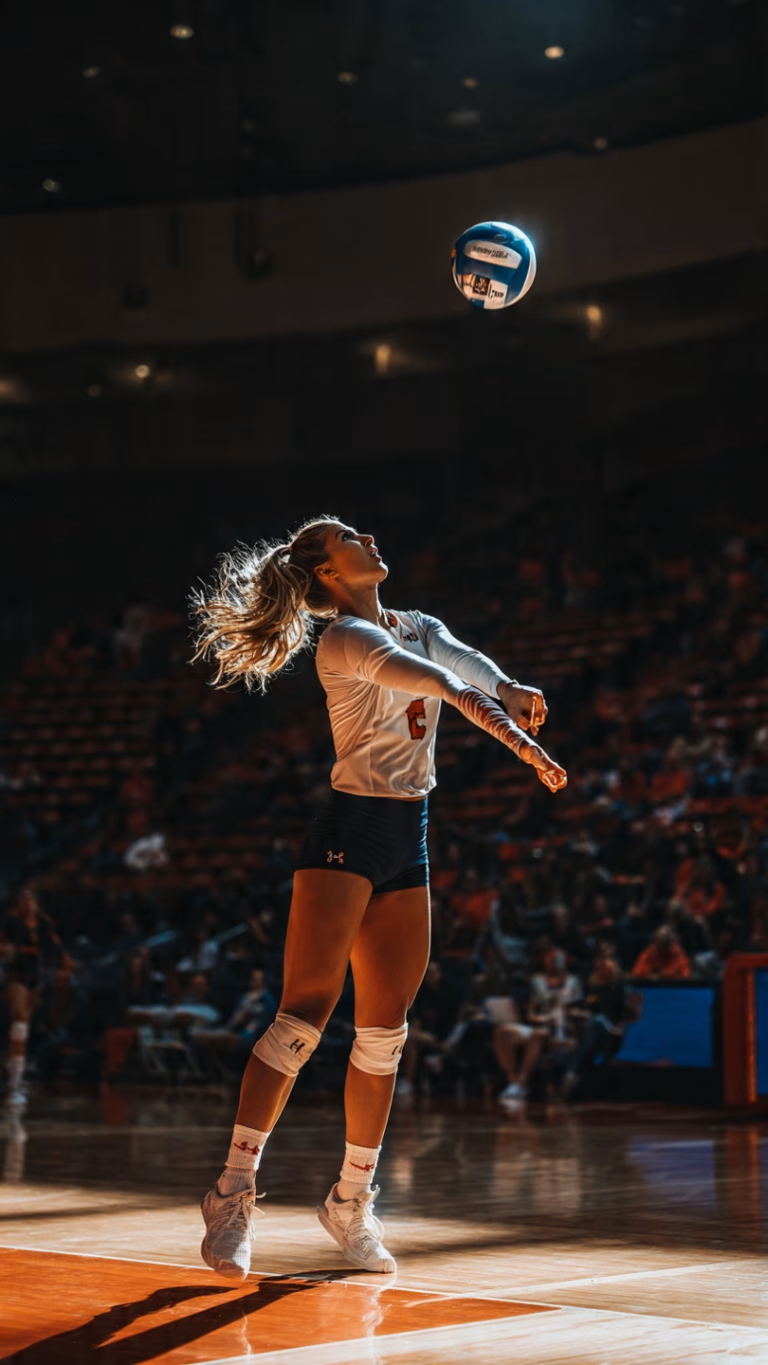
This is the main jersey worn by all players except the libero. It typically features:
-
Team name or logo
-
Player number on the front and back
-
Moisture-wicking fabric
-
Stretch side panels for movement
-
Reinforced seams for durability
These jerseys prioritize both performance and aesthetic appeal.
Libero Jersey
The libero jersey must be a different color from the rest of the team. This is mandated by volleyball rules because the libero plays a specialized defensive role. Libero jerseys often include:
-
Lightweight mesh for enhanced flexibility
-
Higher breathability than standard jerseys
-
Colors and patterns that contrast the team’s primary set
Libero jerseys might use thinner fabrics to increase comfort during long defensive rallies.
Training and Warm-up Jerseys
These jerseys are designed for durability rather than match-level performance. They are slightly heavier and built for repetitive usage. Most teams order separate training tops to extend the life of match jerseys.
Fan and Replica Jerseys
These are commercial versions meant for supporters. They maintain the team’s visual identity but use slightly cheaper materials. They still reflect premium-quality design and branding but do not need advanced performance technologies.
Understanding Jersey Technologies and Performance Features
Any team choosing new jerseys in 2025/2026 must understand the technologies brands use. These features determine comfort, durability, and agility during play.
Moisture-Wicking Technology
Volleyball generates heat quickly, especially during high-intensity jumps and defensive dives. Jerseys with moisture-wicking properties move sweat from the skin to the fabric’s outer layer where it evaporates. This prevents overheating, sticky discomfort, and weight buildup.
Breathability and Ventilation Zones
High-end jerseys use mesh panels placed strategically in high-heat areas like:
-
Underarms
-
Upper back
-
Side ribs
-
Lower chest
This ensures airflow circulation and maintains a cool body temperature.
Stretch and Mobility Fabrics
Volleyball requires constant arm swings, reaching, blocking, and quick transitions. Jerseys must stretch without losing shape. Elastane or spandex blends allow the jersey to move with the athlete’s body.
Anti-Abrasion Reinforcement
Players dive frequently, creating friction with the court surface. Some brands coat specific areas with abrasion-resistant fibers to increase durability.
Lightweight Construction
The lighter the jersey, the better the performance. Heavy jerseys slow movement, retain moisture, and feel restrictive. The best volleyball jerseys today weigh significantly less due to advanced micro-knit fibers.
Odor Prevention Technology
Some manufacturers integrate anti-odor treatments, particularly for players who train daily. This keeps jerseys fresher longer and prevents frequent replacement.
Quick-Dry Engineering
This technology allows jerseys to dry rapidly between sets or matches, especially useful during double-game tournaments or training camps.
Major Volleyball Jersey Brands in 2025/2026
Many brands produce volleyball jerseys, but certain companies dominate based on technology, customization options, durability, and global reputation. Athletes, schools, and fans search for these brands to guarantee quality.
Nike
Nike remains one of the biggest suppliers of volleyball gear. Their jerseys combine lightweight fabric, breathability, and professional design. Nike products also emphasize modern styling, which appeals to college teams and some national programs.
Adidas
Adidas focuses on performance-driven engineering and large-scale customization services. Their jerseys are known for quick-dry technology and durable stitching. The brand also supports many university teams and competitive clubs.
Mizuno
Mizuno is one of volleyball’s most respected brands. They specialize in volleyball-specific materials engineered to support jumping, speed, and agility. Mizuno jerseys are popular among elite teams because of their breathable but tough fabrics.
Asics
Asics designs jerseys with a focus on mobility and comfort. Their materials stretch easily and withstand rigorous match play. Many youth and adult clubs choose Asics because of affordability and durability.
Under Armour
Under Armour jerseys stand out for their moisture-wicking capabilities and sleek designs. The brand incorporates strong mesh ventilation zones, making them ideal for hot climates.
Puma
Puma has entered the volleyball jersey market aggressively by offering fashionable, fitted, and lightweight tops that appeal to clubs wanting stylish identity.
Smaller Custom Brands
In addition to the big global names, many smaller brands offer high-quality jerseys with extensive customization services. These brands are especially popular with schools and youth clubs with limited budgets.
Customization Services for Volleyball Jerseys
One of the most commercially important aspects of volleyball jerseys is customization. Teams want identity, sponsors want visibility, and fans want personalization. Customization can significantly influence pricing, turnaround time, and jersey performance.
Printing vs Embroidery
Printing is lighter and keeps jerseys flexible.
Embroidery is more durable but adds weight to the fabric.
In volleyball, printing is preferred because it preserves agility.
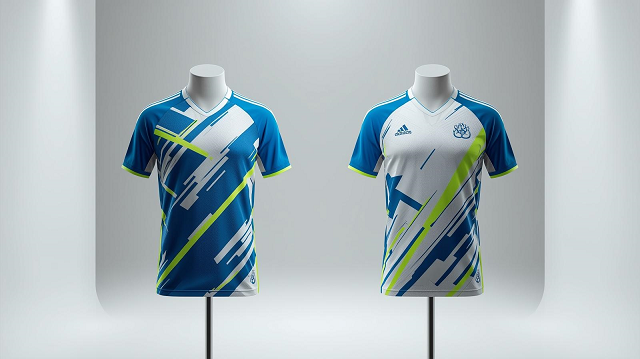
Sublimation Jersey Design
Sublimation is the most advanced customization method. It infuses dye into the fabric itself so colors never fade or peel. Teams can print logos, gradients, names, numbers, and intricate designs.
Heat-Press Vinyl
More affordable but less durable. Best for smaller teams with limited budgets.
Player-Specific Options
Teams often customize:
-
Player numbers
-
Player names
-
Position labels
-
Sponsor logos
-
Captain markings
Custom Color Matching
Teams want exact shades of their official colors. High-end suppliers offer color-matching technology, ensuring complete uniform consistency.
Choosing the Best Volleyball Jersey: What to Look For
Selecting volleyball jerseys is not as simple as picking a brand. Teams and individuals must evaluate several factors that influence performance and comfort.
Fit and Comfort
A good volleyball jersey should be snug but not restrictive. Loose jerseys slow movement, while overly tight jerseys restrict arm swings.
Breathability
Jerseys with proper ventilation reduce sweat buildup and improve comfort.
Durability
Teams playing long seasons or tournaments need jerseys that can survive repeated washes and intense gameplay.
Weight
Lighter jerseys improve speed, jumping ability, and overall play experience.
Flexibility
High elastane content or advanced knit structures improve flexibility during arm swings and blocks.
Cost Efficiency
Budget matters for teams, especially in Africa or Nigeria. Brands with good quality at affordable levels are often preferred.
Availability and Shipping
International shipping challenges affect many African buyers. Choosing brands with easier access or local distributors helps reduce costs.
Sizing, Fit, and Body Types
Choosing the right size is critical, especially for performance sportswear.
Men’s, Women’s, and Youth Fits
Women’s jerseys often feature a tapered waist for better anatomical fit.
Men’s jerseys have broader shoulders and straighter cuts.
Youth sizes accommodate growing athletes with flexible materials.
Slim Fit vs Regular Fit
Slim-fit jerseys reduce excess fabric, improving agility.
Regular-fit jerseys provide comfort for training or casual matches.
International Size Differences
US, European, and Asian brands use different sizing standards. Always check:
-
Chest width
-
Length
-
Shoulder seam
-
Sleeve fit
For African buyers ordering online, proper size measurement prevents costly mistakes.
Comparing Volleyball Jersey Brands Based on Performance, Quality, and Price (2026 Guide)
The volleyball jersey market has become highly competitive, with brands targeting players, clubs, schools, and fans. Each manufacturer offers products that differ in cost, durability, technology, fit, and customization options. When selecting a jersey supplier, teams must clearly understand what each brand provides and how these offerings align with their goals, whether performance-oriented, budget-conscious, or style-driven.
This section breaks down the most important factors teams and individual buyers use to compare brands in 2026.
Performance Quality
Some brands prioritize cutting-edge sports technology. Mizuno, for example, dedicates significant research to fabric engineering specifically for volleyball. Their jerseys often have exceptional breathability, stretch, and sweat management. Nike and Adidas invest heavily in moisture-wicking technology, producing jerseys that maintain comfort even in heated tournament environments.
Training-focused brands may offer simpler jerseys without advanced airflow zones or reinforced stitching. These options are ideal for daily practice sessions and teams that want low-cost replacements.
Durability and Long-Term Value
Durability is a major factor for schools and clubs with limited budgets. Jerseys must survive:
-
Frequent washing
-
Rough play
-
Diving and rolling
-
Repeated stretching
-
Hot or humid conditions
Brands like Asics and Under Armour tend to excel in durability. Their fabrics maintain strength even after months of intense use. Some smaller manufacturers, especially custom-only brands, produce tough jerseys, but their stitching quality varies depending on the supplier. Teams must therefore carefully examine user reviews and sample products before buying in bulk.
Pricing and Affordability
Price sensitivity matters for African teams, Nigerian club owners, students, and coaches managing school programs. Jerseys vary widely in cost depending on:
-
Brand reputation
-
Fabric technology
-
Customization
-
Order quantity
-
International shipping fees
Generally, branded match-level jerseys cost more, while training tops are priced lower. Sublimation jerseys can be expensive because the printing process is detailed and permanent. Vinyl lettering or heat-press designs are cheaper but less durable.
Schools and developing clubs often choose mid-range brands to balance quality and affordability. Elite teams with sponsorships may prefer premium manufacturers offering advanced technologies.
Availability for African Buyers
One of the biggest challenges for buyers in Nigeria and other African countries is accessibility. Many top global brands do not have strong retail distribution across African markets. This forces buyers to rely on:
-
Group orders
-
International shipping
-
Local resellers
-
Custom manufacturers
-
Team-purchase arrangements
A smart strategy is to partner with a local sportswear vendor who sources jerseys on behalf of clubs and schools. Another option is choosing brands that ship globally at reasonable costs.
How to Choose the Right Volleyball Jersey for Your Team
Choosing a jersey is both a performance decision and a branding decision. Teams must consider identity, logo placement, fit, comfort, and long-term budget. This section outlines a practical process for selecting the right jersey in 2026.
Step 1: Define Your Team’s Primary Needs
Teams should start by determining:
-
Whether they want performance-level or training-level products
-
The number of jerseys needed per season
-
Team colors and branding goals
-
Budget restrictions
-
Required customization elements
A competitive club, for example, may prioritize moisture-wicking technology, lightweight construction, and durability. A school team might prioritize affordability and long-lasting fabric.
Step 2: Choose a Fabric Type
Jersey fabric determines comfort, breathability, and durability. Modern jerseys often use polyester blends because polyester dries quickly and is easy to print. Elastane is added to provide stretch, while micro-mesh inserts allow airflow.
Teams should avoid heavy cotton materials because they trap moisture and reduce agility.
Step 3: Select Design and Color Scheme
A strong design builds team identity. Most teams follow a design pattern that includes:
-
Main color
-
Secondary color
-
Shoulder or side panel design
-
Number placement
-
School or club logo
-
Sponsor logo placement
Good design ensures players stand out on court and feel confident in their appearance.
Step 4: Evaluate Customization Options
Customization affects both aesthetics and durability. Sublimation is the most durable and visually appealing, allowing infinite design flexibility. Vinyl or heat-press customization costs less but may crack after multiple washes.
Teams should examine:
-
Color-fastness
-
Print clarity
-
Ink penetration
-
Whether logos fade over time
Step 5: Evaluate Sizing and Fit
Teams must choose between:
-
Slim fit
-
Regular fit
-
Women’s fit
-
Men’s fit
-
Youth sizing
Coaches should test sample sizes before ordering in bulk. If buying internationally, teams must check measurements in centimeters rather than relying on letter sizes.
Step 6: Compare Prices and Order Quantities
Bulk orders reduce costs significantly. A school or club buying 20 to 50 jerseys gets much better pricing than individuals purchasing single pieces. Also consider the cost of alternate jerseys for liberos and reserves.
Step 7: Confirm Delivery and Turnaround Time
Customization takes time. Some manufacturers require:
-
2 to 4 weeks for sublimation
-
1 to 2 weeks for regular printing
-
Additional time for international shipping
Teams should always order early in the preseason.
Volleyball Jersey Pricing Breakdown (Global 2026 Snapshot)
Understanding global pricing helps teams plan financially. This is especially important for African clubs where the cost of importing sportswear may be high. Below is a general guide to pricing ranges.
Low-Cost Range
These jerseys typically use simple printing and basic polyester fabric.
They suit:
-
Youth players
-
Training sessions
-
Casual recreational teams
Cost Range: Very affordable
Mid-Level Range
These jerseys include moisture-wicking polyester blends, better stitching, and more customization options.
They suit:
-
School teams
-
Club teams
-
Regional competitions
Cost Range: Moderate
High-End Range
These are elite jerseys featuring sublimation, micro-mesh ventilation, stretch fabrics, odor control, and advanced performance technologies.
They suit:
-
National teams
-
Professional clubs
-
University programs
Cost Range: High
Teams must balance budget with performance intentions.
Ordering Volleyball Jerseys for Schools, Clubs, and Universities
School and club programs often buy jerseys in larger quantities. They need affordable but durable products that can survive weekly competition. Four major considerations influence school and club orders.
Bulk Order Discounts
Most manufacturers offer large discounts once orders exceed certain quantities. This benefits school and community programs.
Matching Sets for Long-Term Use
Teams prefer matching designs for future seasons. Choosing a design that can be reprinted helps maintain consistency across graduating classes.
Libero Jersey Requirements
Since libero jerseys must be a contrasting color, teams typically order one alternate design. It must be visually distinct yet consistent with the team brand.
Replacement Jerseys
Schools should order spare jerseys for new players or damaged pieces. This avoids mismatched sets later in the season.
How African and Nigerian Teams Can Access Quality Volleyball Jerseys
African volleyball teams face challenges such as high international shipping fees, stock limitations, and unreliable delivery services. However, there are several strategies to access quality jerseys affordably.
Working with Local Sportswear Vendors
Many African vendors source customizable jerseys from international manufacturers. This minimizes the complexity of individual imports.
Group Orders
Teams or leagues can organize group purchases to reduce shipping costs. This is popular among universities and youth programs.
Choosing Brands That Ship to Africa
Some medium-sized manufacturers offer flexible shipping for African buyers. These brands may not be globally famous but provide excellent quality.
Collaboration With Local Tailors
Some teams design basic jerseys with local tailors and outsource the printing to specialized sportswear printers. While not ideal for elite play, it is cost-effective for school programs.
Leveraging Seasonal Discounts
Ordering during off-peak periods often reduces total cost. Teams that plan ahead benefit the most.
Maintenance and Care Tips to Extend Jersey Lifespan
Jerseys require proper care to maintain their performance qualities. Even high-quality fabrics will deteriorate without proper cleaning and storage. This section outlines best practices for teams and individual athletes.
Wash in Cold Water
Hot water breaks down synthetic fibers. Cold washing preserves stretch and elasticity.
Avoid Harsh Detergents
Strong chemicals fade colors and weaken fabric strength.
Air Dry Instead of Machine Dry
High heat damages moisture-wicking fibers. Jerseys should be laid flat or hung to air dry.
Turn Jerseys Inside Out
This protects printed numbers and logos from friction.
Avoid Ironing
Heat can melt synthetic fibers and remove sublimated prints.
Separate Colors
Dark and light jerseys should be washed separately to prevent color bleeding.
Store Properly
Jerseys should be stored in cool, dry spaces and never left in damp bags after training.
Proper maintenance can double a jersey’s lifespan, saving clubs and players money.
How Fans Choose Volleyball Jerseys
Volleyball is growing in popularity, and fan culture is becoming stronger. Fans now wear replica jerseys to matches, school events, and community tournaments. For fans, the primary considerations differ from those of professional players.
Fit and Comfort
Replica jerseys do not need advanced performance features, but comfort still matters.
Style and Design
Fans prioritize appealing graphics, team colors, and stylish patterns.
Personalization
Fans enjoy adding their names or numbers to feel connected to their favorite players.
Price
Since fan jerseys are not for competition, affordability is key.
Most buyers prefer replica jerseys that match the team’s official design but at a lower cost.
Final Buying Guide Summary for Volleyball Jerseys in 2026
Volleyball jerseys in 2026 combine performance engineering, durability, style, and advanced customization. For teams, the best jerseys offer:
-
Lightweight feel
-
High breathability
-
Durable stitching
-
Effective sweat management
-
Personalized colors
-
Clear numbering
-
Stretch for mobility
For schools and clubs, affordability and accessibility are equally important, especially in African contexts.
For players, the best choice balances comfort, performance, and appearance.
For fans, style and affordability are usually the top priorities.
Understanding fabric technology, customization styles, sizing standards, and global pricing trends helps players, coaches, and team managers make informed decisions.